
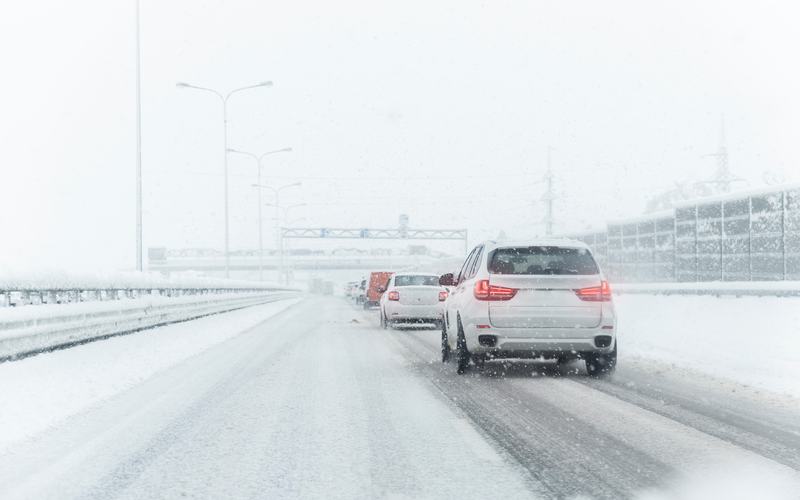
A brutal winter storm sweeping across the United States has left around 730,000 homes and businesses without electricity, forced the cancellation of more than 10,000 flights, and prompted emergency declarations in at least 20 states. The multi-day system, bringing heavy snow, dangerous ice accumulations, and Arctic cold, has disrupted travel, strained power grids (especially in the South and Midwest), and claimed lives while testing infrastructure and emergency response across a massive impact zone affecting millions.
The ongoing winter storm, referred to in some reports as Fern or Devin, has hammered large swaths of the country since late January 2026, stretching from Texas and the Gulf Coast through the Midwest, Northeast, and parts of the Plains. As of January 26, 2026, outage trackers and utility reports indicate roughly 730,000 to 850,000 customers remain without power, with totals fluctuating as crews attempt repairs amid ice-laden trees, downed lines, and freezing temperatures that slow restoration efforts.
The hardest-hit areas include the South, where rare heavy icing, up to an inch in some locations, has snapped power poles and toppled trees, extending outages across Texas, Louisiana, Kentucky, Georgia, and surrounding states. Texas and Kentucky report some of the highest outage counts, while blackouts persist from New Mexico to the East Coast. The National Weather Service has warned that the combination of ice damage and extreme cold could lead to long-duration outages, with some communities facing days without electricity amid dangerous wind chills.
Air travel has been severely disrupted. Data from flight tracking services shows more than 10,000 U.S. flights canceled as the storm intensified, with total disruptions climbing far higher when delays and international impacts are included. Major hubs such as Dallas, Boston, New York, Washington, D.C., and Chicago have experienced widespread ground stops, stranding travelers and rippling through airline networks nationwide. Major carriers have issued broad travel waivers to accommodate affected passengers.
At least 20 states have declared states of emergency, enabling access to federal assistance, National Guard support, and coordinated disaster response. Federal emergency declarations have been approved to support state and local recovery efforts as conditions remain hazardous. The storm has also turned deadly, with reports of 13 to 25 fatalities tied to icy-road crashes, carbon monoxide poisoning from improper generator use, and exposure-related incidents. Officials continue to urge residents to avoid unnecessary travel, use heating sources safely, and prepare for prolonged power outages as the system moves eastward and recovery begins.

Comments
No comments yet. Be the first to share your thoughts.