
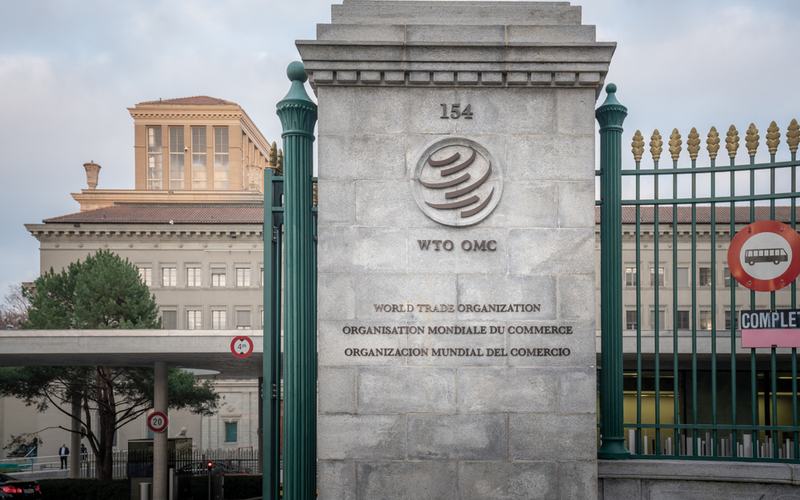
World Trade Organization Director-General Ngozi Okonjo-Iweala warned Thursday that the global trading system is experiencing the worst disruptions in the past 80 years. She made the statement during the opening address of the WTO's 14th Ministerial Conference in Yaoundé, Cameroon, which brings together representatives from the organization's 166 member countries.
Okonjo-Iweala described the situation as a fundamental shift, stating, "The world order and the multilateral system we used to know has irrevocably changed." She added, "We cannot deny the scale of the problems confronting the world today," pointing to a combination of factors destabilizing trade even before recent escalations.
The WTO chief highlighted geopolitical tensions, including the conflict in the Gulf region, wars in Sudan and Ukraine, rising protectionism, stalled negotiations, intensifying climate pressures, and rapid technological changes as key contributors to the disruptions. "The scale of the problems confronting the world today, even before the conflict in the Gulf, destabilised trade in energy, fertiliser and food," she said. These issues have shaken the post-World War II international order and led to growing skepticism toward multilateralism.
The ministerial conference, lasting four days through Sunday, marks the second such gathering hosted in Africa after Nairobi in 2015. Okonjo-Iweala noted the symbolic timing, saying, "It feels appropriate that at the moment when the world is in turmoil with conflict in the Middle East, Sudan, Ukraine, and elsewhere, at this time of great disruption and uncertainty, we have gathered in Africa to discuss the road ahead for the global trading system." She emphasized, "Africa is the continent of the future."
This warning comes amid a revised WTO trade outlook released last week, which projected global merchandise trade growth slowing sharply to 1.9 percent in 2026 after a 4.6 percent expansion in 2025, driven by a surge in AI-enabling products. Commercial services trade is expected to grow at 4.8 percent next year from 5.3 percent this year. The Middle East conflict poses additional downside risks, potentially reducing 2026 merchandise trade growth by 0.5 percentage points due to elevated energy prices and disruptions in the Strait of Hormuz, through which one-third of global fertilizer exports pass.
The WTO also noted that trade conducted under most-favored-nation tariff rules now covers only 72 percent of world trade, down from higher levels recently. Officials aim to use the conference to revitalize the institution amid deep divisions and pressing global challenges, with calls for reforms to adapt to the changing trade landscape.

Comments
No comments yet. Be the first to share your thoughts.