
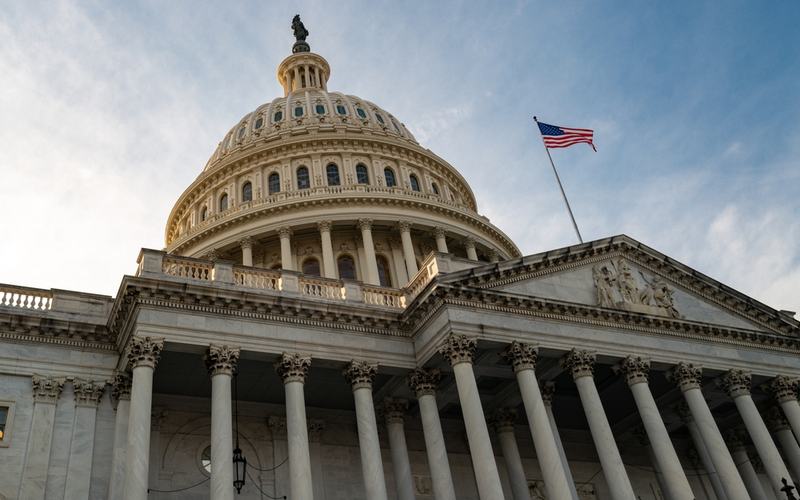
The House of Representatives adjourned its session early on Wednesday after Speaker Mike Johnson canceled votes planned for Thursday, sending lawmakers home until after the November midterm elections.
Johnson announced the change at a news conference, noting that members needed time in their districts to campaign. The move shortens an already abbreviated legislative week and avoids several potentially divisive issues.
Democratic leaders had urged Johnson to keep the chamber in session longer to advance legislation on artificial intelligence. More than 100 House Democrats signed a letter calling for extended time to negotiate safeguards, citing recent warnings from AI industry figures about potential risks. House Minority Leader Hakeem Jeffries said Congress should not leave town until decisive action protects Americans.
Johnson and other Republicans pushed back, arguing that the technology remains too new for rushed federal rules. The speaker stated that no one in Congress yet knows what effective regulation should look like and warned that a moratorium could hand an advantage to China on national security grounds. He expressed support for industry self-regulation instead.
The early departure also sidesteps a Republican-led resolution to impeach Defense Secretary Pete Hegseth, introduced earlier in the week by Rep. Thomas Massie. Some votes originally set for Thursday, including a Russia sanctions bill, shifted to Wednesday evening.
Lawmakers face more than six weeks away from Washington. Republicans have emphasized the need for careful deliberation on AI to maintain American leadership rather than impose premature constraints that could stifle innovation. Democrats, by contrast, have highlighted proposals such as the FRONTIER Act and measures focused on labeling and safety standards.
The episode underscores ongoing partisan differences over the pace of technology policy. With the midterms approaching, both parties are positioning themselves on issues that resonate with voters concerned about economic competitiveness and emerging risks.

Comments
No comments yet. Be the first to share your thoughts.