
Republican governors in Alabama and Tennessee summoned lawmakers to special legislative sessions this week to consider redrawing congressional districts. The moves follow a U.S. Supreme Court ruling last week that limited the scope of Section 2 of the Voting Rights Act.
The Supreme Court issued its 6-3 decision in Louisiana v. Callais on April 29, 2026. Justice Samuel Alito wrote the majority opinion, updating the framework from Thornburg v. Gingles for vote dilution claims under the VRA. The revised standards require plaintiffs to produce race-neutral alternative maps that satisfy a state's traditional districting criteria, including political considerations, and to disentangle racial bloc voting from partisan effects. The ruling emphasizes proof of current intentional racial discrimination over historical factors, making successful challenges to maps far more difficult.
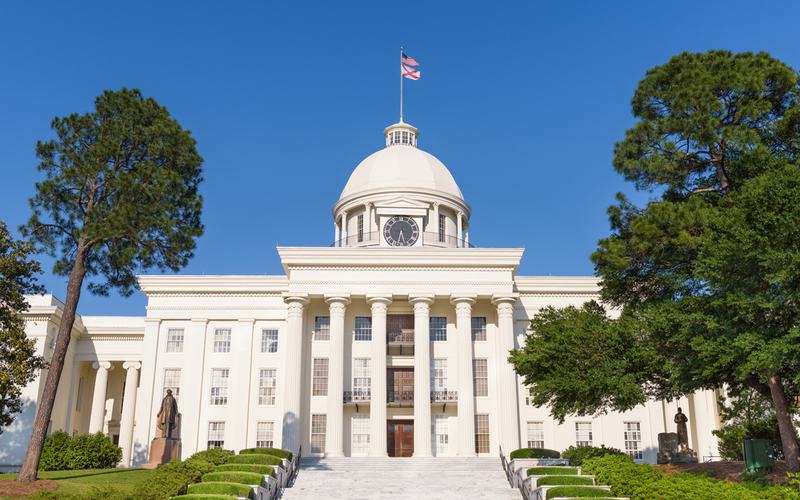
In Alabama, Gov. Kay Ivey called lawmakers to convene in Montgomery today, May 4. The session addresses ongoing litigation stemming from the 2023 Allen v. Milligan case, where courts ordered a second congressional district with a substantial Black voting-age population. Alabama's current map, used for the May 19 primaries, includes two such districts held by Democrats. Lawmakers aim to prepare contingency plans for special primaries if federal courts lift an injunction blocking the state's original map, which features one majority-minority district and could deliver all seven seats to Republicans.
"By calling the Legislature into a special session, I am ensuring Alabama is prepared should the courts act quickly enough to allow Alabama’s previously drawn congressional and state Senate maps to be used during this election cycle," Ivey said. Alabama Attorney General Steve Marshall filed emergency motions with the Supreme Court seeking to end the injunction.
Tennessee Gov. Bill Lee scheduled a special session for tomorrow, May 5, in Nashville. The Republican-controlled legislature plans to revisit the state's nine congressional districts, particularly the 9th District centered on majority-Black Memphis and held by Democrat Steve Cohen. Proposals seek to reconfigure the district to spread Democratic voters, potentially securing all nine seats for Republicans. "We owe it to Tennesseans to ensure our congressional districts accurately reflect the will of Tennessee voters," Lee stated.
The sessions occur amid a broader Southern push. Louisiana delayed its May 16 congressional primary after the ruling invalidated a majority-Black district there. Florida approved new maps, and South Carolina leaders are considering changes targeting Rep. Jim Clyburn's seat. President Donald Trump urged more states to act on social media, predicting Republican House gains.
Democrats and voting rights advocates decried the efforts as partisan power grabs. Former Alabama Sen. Doug Jones called Alabama's session a "blatant power grab" to eliminate Black Democratic seats. Tennessee state Sen. Raumesh Akbari warned against undermining democracy. Legal challenges are expected, though the Supreme Court decision raises the bar for Section 2 claims.
The redistricting could influence the 2026 midterm elections, where Republicans hold a narrow House majority. In Tennessee, changes must precede the August 6 primary. Alabama's plans hinge on swift court action before November. Legislative leaders expressed optimism for maps favoring their party while adhering to state priorities.

Comments
No comments yet. Be the first to share your thoughts.