
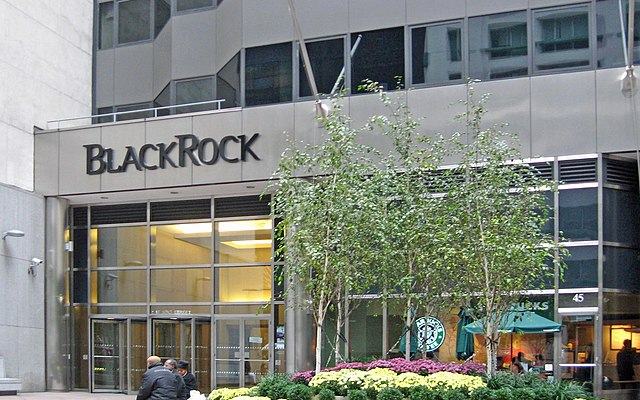
BlackRock Inc. restricted withdrawals from its $26 billion HPS Corporate Lending Fund after investors requested $1.2 billion in redemptions during the first quarter, equivalent to 9.3% of the fund's net asset value. The fund, known as HLEND, enforced its standard 5% quarterly repurchase limit, approving only $620 million in payouts.
The announcement came on Friday, marking the first time since the fund's inception four years ago that redemption requests exceeded the cap. Subscriptions into the fund totaled $840 million in the quarter, falling short of the withdrawal demands. BlackRock acquired HPS Investment Partners, the fund's manager, last year as part of a $12 billion expansion into private credit.
The HPS Corporate Lending Fund is a non-traded business development company that lends to mid-sized companies, primarily those with stable cash flows, and pays monthly dividends. It has delivered a 10.7% annualized net return since inception. About 19% of its portfolio is exposed to software companies, a sector facing pressure from AI disruptions.
HPS described the liquidity framework as "foundational" to matching investor capital with the duration of private credit loans. "Without it, there would be a structural mismatch between investor capital and the expected duration of the private credit loans in which HLEND invests," the firm stated in a letter to investors. Executives noted it provides an opportunity to capitalize on market volatility.
The move rattled markets, with BlackRock shares falling 7.2% Friday to $955.45, their lowest since May 2025, amid a broader selloff triggered by weak U.S. jobs data and escalating Middle East tensions. Shares of alternative asset managers like KKR and Ares also declined sharply, posting their worst yearly starts in a decade.
Investor anxiety stems from the $2 trillion private credit industry, where illiquid loans to companies bypassing public markets offer higher yields but pose exit risks. Recent high-profile defaults, including a U.S. auto parts supplier, a subprime lender, and a UK mortgage firm, have heightened concerns over lending standards and economic slowdown risks.
Rivals handled surges differently. Blackstone fulfilled 7.9% redemption requests on its $82 billion fund by raising its cap and investing over $150 million from employees. Blue Owl met requests through asset sales or deferred payouts.
Morningstar analyst Greggory Warren called it a "warning sign for the industry" about illiquid funds for retail investors, noting gates prevent forced sales that harm remaining holders.

Comments
No comments yet. Be the first to share your thoughts.