
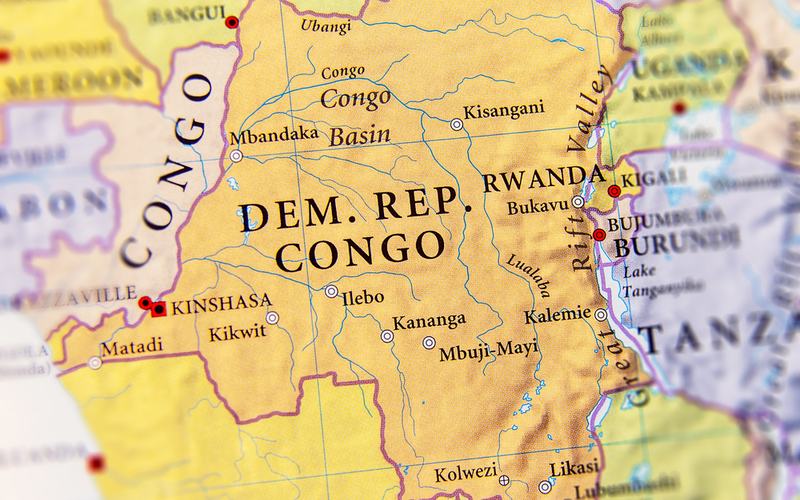
The Democratic Republic of the Congo (DRC) has agreed to temporarily accept migrants deported from the United States who are not Congolese nationals, according to government officials.
The Congolese Ministry of Communications said the arrangement is a short-term measure rooted in “human dignity and international solidarity,” emphasizing that the deportees will not be permanently resettled in the country. Each case, officials said, will be reviewed individually under national laws and security considerations.
While specifics remain limited, the first group of deportees is expected to arrive later this month. The United States will reportedly cover all costs associated with the program.
The agreement is part of a broader push by the Trump administration to relocate migrants to third countries. Reports indicate similar arrangements have been reached with several African nations, including Uganda, South Sudan, and Equatorial Guinea.
Critics have raised concerns about transparency and capacity. Timothee Mbuya, head of the advocacy group Justicia ASBL, said the Congolese public and lawmakers were not consulted before the agreement was reached. He also warned that the country lacks the infrastructure to handle additional migrants, especially as it already faces significant internal displacement due to ongoing conflict in its eastern regions.
In Uganda, legal opposition is also emerging. Asiimwe Anthony said his organization is pursuing legal action to block incoming deportees, arguing the policy raises broader human rights concerns.
Some analysts suggest the deal may have geopolitical implications. Reports indicate the DRC could be seeking stronger U.S. backing in regional tensions involving Rwanda, as well as support tied to mineral investment agreements.
The U.S. State Department declined to comment on the specifics of the arrangement but reiterated the administration’s commitment to enforcing immigration laws and strengthening border security.
As the program moves forward, questions remain about how many migrants will be affected and how host countries will manage the added strain on resources and infrastructure.

Comments
No comments yet. Be the first to share your thoughts.