
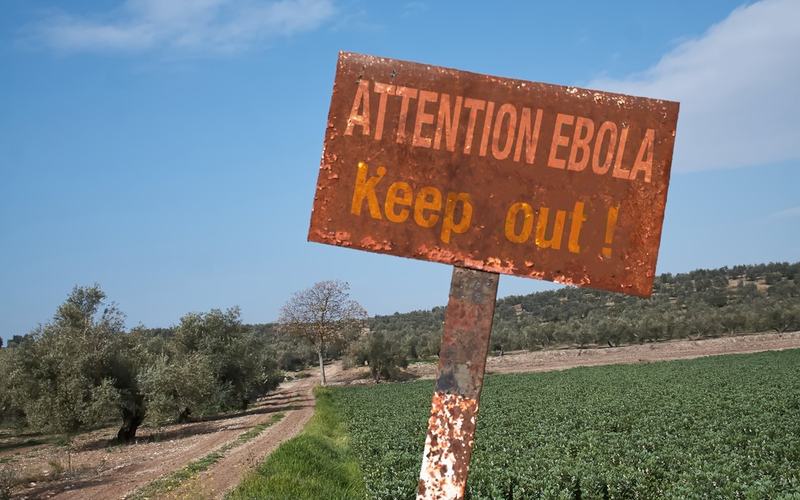
The Democratic Republic of the Congo reported more than 11,000 Ebola infections and 5,387 deaths as of Wednesday, marking the country’s deadliest recorded outbreak and highlighting the challenges facing health authorities attempting to contain the disease.
According to the Congolese Health Ministry, 11,042 people have been infected since the outbreak was declared in mid-May, with nearly half of those infected dying. The Bundibugyo virus responsible for the outbreak has spread to eight of the country’s 26 provinces.
Efforts to control the disease have been complicated by armed conflict, an overstretched health care system, poor road infrastructure and resistance from residents who distrust medical authorities. Misinformation about the virus has also contributed to hostility toward health workers and medical facilities.
Renewed fighting in the outbreak's two major hotspots, Ituri and North Kivu provinces, has raised additional concerns about the ability of medical teams to reach infected communities. Health authorities have called for an end to the violence to allow workers to access patients and provide treatment without obstruction.
Medical personnel and health facilities have also faced attacks from residents skeptical of the outbreak and the response to it. Those incidents have further disrupted efforts to identify infections, provide care, and limit transmission.
The Bundibugyo strain has no known vaccine or specific treatment, making containment efforts particularly difficult. Health experts have called for increased international and regional efforts to slow the spread, particularly as cases have also been reported in other African countries, including Uganda, Kenya and Nigeria.

Comments
No comments yet. Be the first to share your thoughts.