
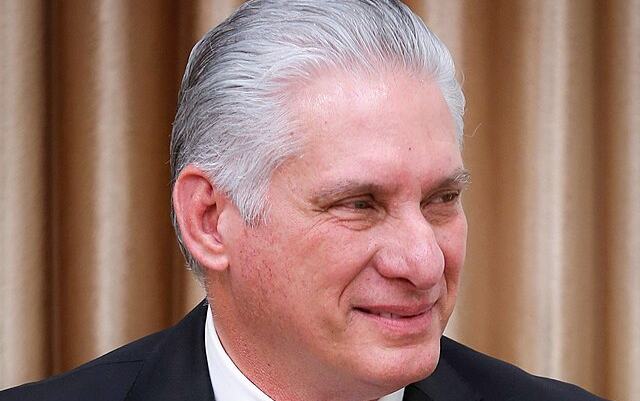
Cuban President Miguel Díaz-Canel issued a defiant warning to the United States, saying Cuba’s leadership is prepared to fight and even die to preserve its communist system if faced with American intervention.
In an interview on NBC’s Meet the Press, Díaz-Canel said any attempt by the United States to take control of the island or remove him from power would be met with armed resistance. He emphasized that Cuban leaders would make the “ultimate sacrifice” if necessary, signaling a hardline stance as tensions with Washington continue to rise.
The comments come as President Donald Trump has increased pressure on Cuba as part of a broader foreign policy approach targeting authoritarian governments. U.S. actions in Venezuela and Iran have contributed to shifting geopolitical dynamics, and Trump has indicated that Cuba could face similar scrutiny.
Díaz-Canel said he has “no fear” of U.S. threats and portrayed Cuba as prepared for a prolonged conflict if required. While maintaining that the country’s military posture is defensive, officials have reportedly increased readiness amid concerns about possible escalation.
At the same time, Cuba is facing significant internal challenges. The island has been dealing with widespread blackouts, food shortages, and a deteriorating economy, conditions that have fueled discontent and prompted many citizens to flee in recent years. Díaz-Canel blamed these hardships on longstanding U.S. sanctions and economic restrictions.
Critics, including Cuban exiles and some U.S. officials, argue that the country’s centralized communist system is largely responsible for the ongoing crisis, pointing to decades of economic mismanagement and lack of political reform.
During the interview, Díaz-Canel rejected calls for democratic changes, including free elections, a free press, and the release of political prisoners. He denied that such prisoners exist in Cuba and dismissed reform demands as foreign interference in the country’s internal affairs.
He also ruled out stepping down as part of any potential agreement with Washington, stressing that Cuba’s leadership decisions would not be dictated by the United States and reaffirming the country’s claim to sovereignty and independence.
Although Díaz-Canel said dialogue with the United States remains possible, he expressed skepticism about American intentions, citing past negotiations that coincided with military actions elsewhere.
The exchange underscores the widening divide between the two countries, with the Trump administration pursuing increased pressure on Havana while Cuban leadership signals it is prepared to resist, raising the risk of further confrontation in the region.

Comments
No comments yet. Be the first to share your thoughts.