
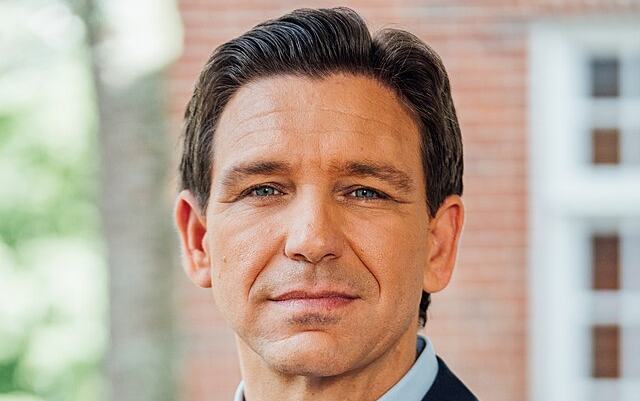
Florida Governor Ron DeSantis announced on Monday that state law enforcement agencies are actively building cases against the Council on American-Islamic Relations (CAIR), antifa and the Muslim Brotherhood as potential domestic terrorist organizations. The disclosure came during a bill-signing ceremony at the University of South Florida in Tampa, where DeSantis enacted House Bill 1471, empowering a select group of state officials to recommend designations of domestic terrorist groups to the governor and Cabinet.
The new legislation directs the head of the Florida Department of Law Enforcement (FDLE), the governor and other high-ranking officials to identify organizations that promote violence or support foreign terrorist groups. Once recommended, the governor and Cabinet can formally label them as domestic terrorist organizations, triggering penalties such as ineligibility for state contracts, employment or funding. DeSantis emphasized that investigations are already underway, stating police are "working already" to apply the label to CAIR and similar entities linked to disruptive protests or Islamist extremism.
This move builds on DeSantis' prior efforts to curb perceived threats from radical Islamist groups. In December 2025, he issued Executive Order 2025-244, designating CAIR and the Muslim Brotherhood as foreign terrorist organizations due to alleged ties to Hamas and a history of supporting violence aimed at establishing an Islamic caliphate. The order cited CAIR's designation as an unindicted co-conspirator in a major U.S. terrorism-financing case and directed state agencies to sever ties with the group. It also tasked the Domestic Security Oversight Council with reviewing statutes and recommending further actions by January 2026.
CAIR challenged the executive order in court, arguing it violated the First Amendment through viewpoint discrimination. In March 2026, U.S. District Judge Mark Walker issued a temporary injunction blocking the designation, ruling that DeSantis overstepped by unilaterally labeling the group without emergency justification and coercing third parties to disassociate.
The new law addresses some prior legal hurdles by establishing a structured process involving FDLE recommendations. DeSantis framed the legislation as essential for protecting Floridians from groups that exploit protests or back foreign terrorists, mirroring actions in Texas under Governor Greg Abbott. He specifically highlighted CAIR's purported connections to Hamas and the Muslim Brotherhood, which the group denies.
CAIR-Florida condemned the bill as "draconian" and a "police state" measure targeting free speech and due process. The group held a press conference Tuesday vowing to challenge the law legally, claiming it endangers Muslim civil rights advocates. Critics, including civil liberties advocates, expressed concerns that the broad authority could chill dissent beyond Islamist groups, potentially affecting student protesters or other activists.
As of Friday, FDLE has not publicly detailed the scope of ongoing investigations, but DeSantis indicated swift action to enforce the designations. The developments underscore Florida's aggressive stance on domestic security amid national debates over Islamist extremism following the Israel-Hamas conflict.

Comments
No comments yet. Be the first to share your thoughts.