
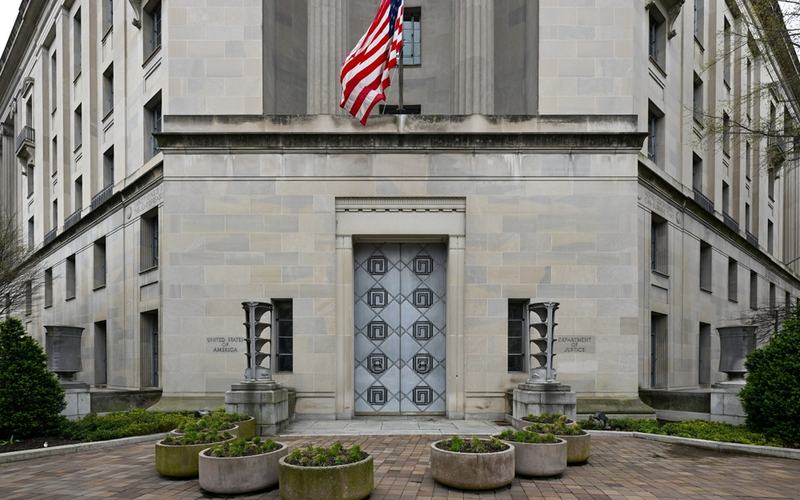
The Justice Department's Office of Legal Counsel issued a memo on April 1 declaring the Presidential Records Act unconstitutional, potentially allowing President Donald Trump to retain White House records after his term ends in 2029.
Authored by Assistant Attorney General T. Elliot Gaiser, the opinion argues that the 1978 law exceeds Congress's enumerated powers and undermines the executive branch's independence under Article II of the Constitution. It states the act 'aggrandizes the Legislative Branch at the expense of the constitutional independence and autonomy of the Executive.' The memo cites recent Supreme Court decisions, including Trump v. United States, to assert that Congress cannot regulate the presidency like a statutory agency or compel preservation of records without a valid legislative purpose.
The Presidential Records Act, enacted after the Watergate scandal, requires presidents to treat official documents as government property. Upon leaving office, these records must transfer to the National Archives and Records Administration for eventual public access, subject to privileges and a five-year delay before Freedom of Information Act requests. Prior to the law, presidents like Richard Nixon could claim personal ownership of materials.
This development follows Trump's legal battles over documents from his first term. After leaving office in 2021, federal investigators recovered classified materials from Mar-a-Lago that Trump had taken, leading to charges under the Espionage Act rather than the Records Act. Trump unsuccessfully invoked the PRA to designate some items as personal.
Historians and transparency advocates expressed concern over the memo's potential to disrupt access to over 700 million pages of records since 1978. Jason R. Baron, former National Archives litigator, warned it could allow retroactive claims on past documents, complicating ongoing releases like 78,000 pages from the Clinton administration. Sarah Weicksel of the American Historical Association called preservation essential for democratic accountability. Critics like Citizens for Responsibility and Ethics labeled it an assault on oversight.
The White House emphasized that staff must still preserve materials for historical value, policy, and litigation purposes. Spokesperson Abigail Jackson said the administration is consulting with the National Archives but offered no firm commitment on transfers. Archives officials reported no internal changes yet, proceeding with scheduled releases.
Legal experts noted the opinion is advisory and nonbinding, but it could influence courts in disputes over records from Trump's first and current terms. More than 200 public requests target Trump-era materials, amid lawsuits for Obama and Trump documents. The memo rejects prior precedents like Nixon v. Administrator as limited to Watergate-specific circumstances.
If unchallenged or upheld, the ruling could reshape executive record-keeping, prioritizing presidential autonomy over congressional mandates and public access.

Comments
No comments yet. Be the first to share your thoughts.