
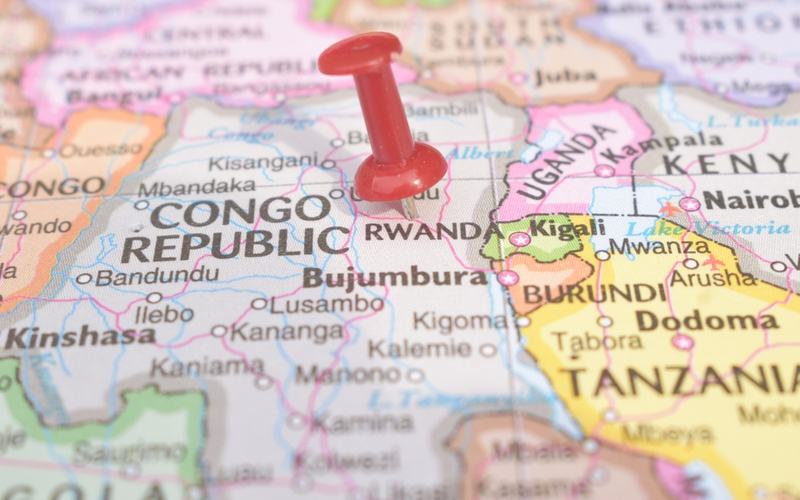
Representatives from the Democratic Republic of Congo and Rwanda agreed on concrete steps to de-escalate tensions during U.S.-hosted talks in Washington on March 17-18. The joint statement from the U.S., DRC and Rwanda outlined commitments to advance the Washington Peace Agreement under the broader Washington Accords for Peace and Prosperity.
The parties pledged mutual measures to support each other's sovereignty and territorial integrity. Rwanda committed to a scheduled disengagement of forces and lifting of defensive measures in defined areas of DRC territory. The DRC agreed to time-bound, intensified efforts to neutralize the Forces Démocratiques de Libération du Rwanda (FDLR), a militia linked to the 1994 genocide. Both sides emphasized the protection of civilians.
These steps aim to revive a peace process that stalled after leaders Félix Tshisekedi and Paul Kagame signed the accords in Washington on December 4, 2025, under President Donald Trump's mediation. The initial framework emerged from U.S.- and Qatar-brokered talks in June 2025, focusing on troop withdrawals, FDLR dismantlement and economic integration for critical minerals.
Implementation faltered amid accusations of violations. The M23 rebel group, which Rwanda denies supporting despite U.S. and UN claims of up to 4,000 Rwandan troops involved, advanced in eastern Congo, capturing areas like Uvira before withdrawing under pressure. Tensions escalated further when the U.S. Treasury sanctioned Rwanda's Defence Force and four officers on March 2 for their alleged role in the fighting.
The talks involved DRC special envoy Patrick Luabeya and Rwandan officials including senior adviser Mauro De Lorenzo and Brigadier General Patrick Karuretwa. Bilateral U.S. meetings occurred on March 17, followed by trilateral discussions the next day under the Joint Oversight Committee and Joint Security Coordination Mechanism.
Eastern Congo's conflict, rooted in the 1990s fallout from Rwanda's genocide, has displaced over seven million and killed millions over decades. More than 100 armed groups vie for control of mineral-rich areas, fueling a humanitarian crisis. The Trump administration has prioritized stabilizing the region to enable U.S. investment in resources like cobalt and coltan.
No specific timelines beyond 'scheduled' and 'time-bound' were detailed in the statement. The parties reaffirmed their dedication to lasting peace and prosperity. Observers view the agreement as a potential breakthrough, though past ceasefires have collapsed amid mutual distrust.

Comments
No comments yet. Be the first to share your thoughts.