
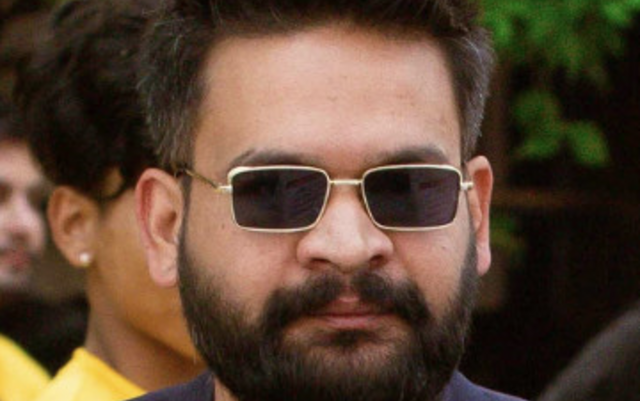
Balendra Shah, a former rapper and ex-mayor of Kathmandu, was sworn in as Nepal's prime minister on March 27, 2026. The 35-year-old leader of the Rastriya Swatantra Party (RSP) took the oath from President Ram Chandra Paudel at the President's Office in Kathmandu.
Shah wore skin-tight trousers, a matching jacket, his signature black Nepali cloth cap and sunglasses during the ceremony, which included chants from over 200 Hindu priests and Buddhist lamas. Outgoing interim Prime Minister Sushila Karki and National Assembly Chairperson Narayan Prasad Dahal attended the event. Shah immediately named a compact cabinet of 14 ministers, including Harvard-educated economist Swarnim Wagle as finance minister, to reduce state spending.
The swearing-in followed RSP's sweeping victory in the March 5 general election, where the party secured 182 seats in the 275-member parliament. The Nepali Congress took 38 seats, while the Communist Party of Nepal (Unified Marxist-Leninist) won 25. Shah personally defeated four-time former Prime Minister K.P. Sharma Oli in the Jhapa-5 constituency by nearly 50,000 votes.
The election marked the first since youth-led protests in 2025, which killed 77 people and toppled the previous government amid anger over corruption, unemployment and economic woes. Shah, who joined RSP in late 2025 after serving as an independent mayor, rode a wave of support from young voters, women and Madhesi communities.
Born in 1990 in Kathmandu to a Maithili family, Shah entered Nepal's hip-hop scene in the early 2010s with tracks like "Sadak Balak" and "Balidan," criticizing corruption and inequality. A structural engineer by training, he won the Kathmandu mayoral race in 2022 with 38.6% of votes, implementing waste management reforms, heritage preservation and transparency measures like live-streamed council meetings. His tenure drew criticism for aggressive demolitions of illegal structures and evictions without alternatives.
As prime minister, Shah has pledged anti-corruption drives, judicial reforms and 1.2 million new jobs. On April 8, he held Nepal's first joint meeting with 17 foreign ambassadors at Singhadurbar, including those from India, China and the United States, to outline priorities like migrant worker safety and balanced relations. "Peace must remain our shared priority," Shah said. The Foreign Ministry also briefed cabinet members on diplomatic conduct for the first time since 2011.
The moves signal a shift to state-led diplomacy amid Nepal's history of 32 governments since 1990, none completing a full term. Officials expressed optimism about international support, though sustaining reforms will test the new leadership.

Comments
No comments yet. Be the first to share your thoughts.