
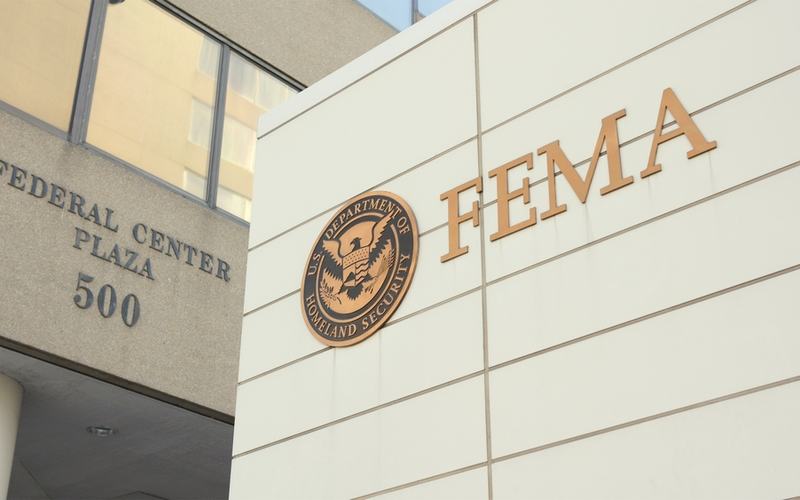
The Federal Emergency Management Agency (FEMA) will conduct a nationwide test of the Emergency Alert System on Tuesday, November 17, 2026, temporarily interrupting television, radio, cable, satellite, and other participating video services across the United States.
The test is scheduled to begin at approximately 2:20 p.m. Eastern time, with the testing window extending through 2:50 p.m. Individual interruptions are expected to last about one minute. Depending on the service provider, viewers and listeners may hear an announcement, see an on-screen message or receive both.
Federal officials say the exercise is routine and does not require any action from the public. FEMA is conducting the test in coordination with the Federal Communications Commission to evaluate whether participating communications providers can receive and distribute a nationwide emergency message.
Federal law requires FEMA to conduct a nationwide Emergency Alert System test at least once every three years. The agency says these exercises help ensure the system can deliver timely information when a national emergency occurs.
The test will use FEMA's Integrated Public Alert and Warning System, or IPAWS, which distributes emergency messages through the Common Alerting Protocol. Participating broadcasters and other communications providers receive the alert and relay it to their audiences.
The Emergency Alert System is separate from Wireless Emergency Alerts, which deliver warnings directly to compatible cellphones through cellular networks. Both systems are part of the country's broader emergency notification infrastructure.
The November exercise comes as the federal government and several foreign governments have placed renewed attention on the ability to maintain essential services during major emergencies. A Pentagon initiative known as FORTRESS, for example, reportedly focuses on keeping U.S. military installations operational for at least 90 days even if civilian infrastructure is disrupted.
The reported defense plan includes independent power systems, portable nuclear reactors and large battery installations intended to reduce military bases' reliance on civilian utilities. The nationwide alert test, however, is a separate exercise and is not being described by FEMA as a response to a specific military threat.
Several European governments have also encouraged households to prepare for temporary disruptions to basic services. The United Kingdom's Be Ready campaign advises residents to maintain enough supplies to manage at least three days without normal access to essential services, including food and drinking water.
Swedish authorities recommend that households be prepared to meet their basic needs for at least one week during a crisis or war. France, Ireland and the Netherlands have also promoted preparedness measures centered on maintaining several days of essential supplies.
The recommendations reflect growing government attention to the possibility that emergencies, whether caused by severe weather, infrastructure failures or security threats, could temporarily disrupt electricity, communications, transportation and commercial supply chains.
For Americans, FEMA's November 17 exercise is intended to test the nation's existing warning infrastructure. No emergency is being declared, and the public does not need to take any special steps when the alert appears.

Comments
No comments yet. Be the first to share your thoughts.