
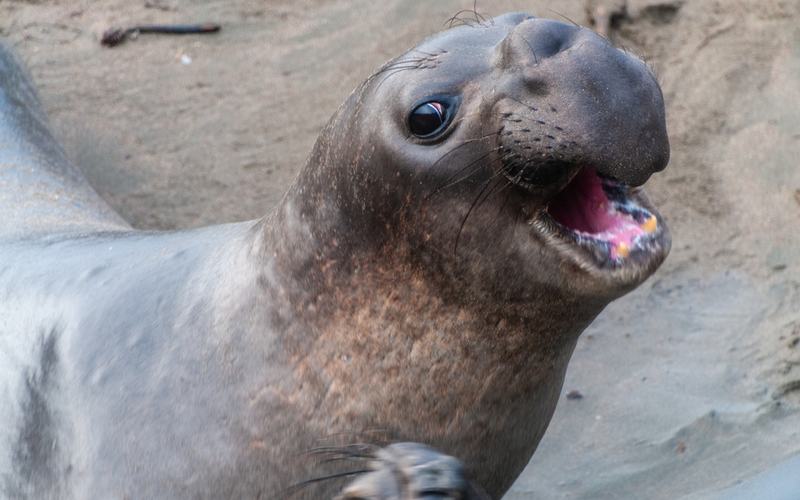
Highly pathogenic avian influenza H5N1 has been confirmed in northern elephant seal pups at Año Nuevo State Park, according to researchers at University of California, Davis. The U.S. Department of Agriculture’s National Veterinary Services Laboratory verified the virus after samples from seven sick and dead seals tested positive.
The infected animals were recently weaned pups from one of the largest mainland elephant seal colonies in the United States. Año Nuevo hosts approximately 5,000 seals during the winter breeding season, with roughly 1,350 animals present on the beach when the outbreak was first detected. Researchers reported finding multiple weanlings dead on February 19 and 20, while others exhibited tremors, seizures, weakness and respiratory distress.
Christine Johnson, who directs the Institute for Pandemic Insights at UC Davis’ veterinary school, said the rapid identification of the virus reflects heightened surveillance efforts. Scientists had been closely monitoring the colony as H5N1 spread among wildlife across North and South America.
Roxanne Beltran, who leads the northern elephant seal research program at University of California, Santa Cruz, said monitoring was intensified in anticipation of potential spillover into the species. Researchers were particularly concerned after devastating die-offs among southern elephant seals in Argentina and Chile linked to the virus.
Previous U.S. outbreaks have affected seals in Maine in 2022 and Washington state in 2023. Investigations determined those cases likely resulted from transmission from infected wild birds to marine mammals. Russian authorities have also reported infections in marine wildlife.
In response to the confirmed cases, California State Parks closed public access to seal viewing areas at Año Nuevo and canceled guided tours for the remainder of the season. Officials emphasized that the risk to the general public remains low but urged visitors not to approach live or dead seals and to keep pets away from affected areas.

Comments
No comments yet. Be the first to share your thoughts.