
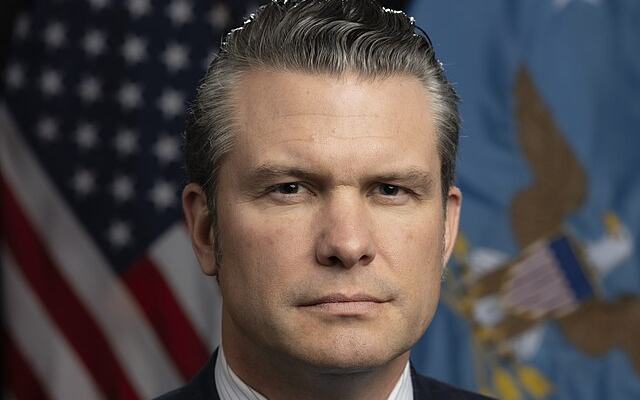
Secretary of War Pete Hegseth unveiled new reforms aimed at reshaping the U.S. military’s Chaplain Corps, including a significant reduction in officially recognized “faith codes” and changes intended to emphasize chaplains’ spiritual role within the armed forces.
According to a Defense Department release, the number of faith codes has been reduced to 31, down from more than 200 in previous years. The earlier system, expanded in 2017 to include 221 categories, was described by Hegseth as “impractical and unusable,” noting that the vast majority of religious service members identified with only a small number of those classifications.
Hegseth said the streamlined system is designed to help chaplains more effectively minister to service members by focusing on widely practiced faith traditions and providing clearer guidance aligned with religious backgrounds.
As part of the changes, chaplains will also display religious insignia on their uniforms in place of visible rank, underscoring what Hegseth described as their primary identity as spiritual leaders rather than military officers. Rank will still be retained within the chain of command but will not be outwardly displayed.
Hegseth framed the reforms as part of a broader effort to restore the Chaplain Corps as a “spiritual and moral backbone” of the military. He argued that previous approaches had shifted too far toward secular frameworks and away from traditional religious guidance.
“These are the first steps toward restoring the esteemed position of chaplain as moral anchors of our fighting force,” Hegseth said, adding that additional reforms are expected.
The changes come as the Defense Department continues to review policies related to religious expression and support services for service members, with leadership signaling a renewed emphasis on faith-based ministry within the ranks.

Comments
No comments yet. Be the first to share your thoughts.