
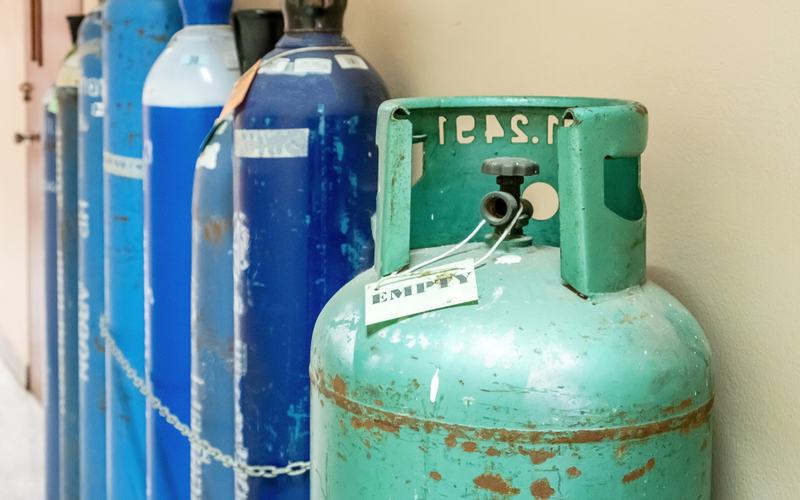
A growing helium shortage linked to conflict in the Middle East is beginning to disrupt global technology supply chains, with industry executives warning of potential production slowdowns in semiconductor manufacturing.
Helium plays a critical role in chipmaking, including cooling systems, leak detection, and precision manufacturing processes. Supply of the gas is geographically concentrated, with Qatar accounting for nearly one-third of global production, according to data from the U.S. Geological Survey. Prices have risen sharply since tensions in the region escalated.
“A helium shortage is an absolute concern,” said Cameron Johnson, a senior partner at supply chain consultancy Tidal Wave Solutions, speaking at Semicon China in Shanghai. He noted that companies have limited short-term options, often forced to prioritize key products or reduce output while seeking alternative sources.
Executives say prolonged shortages could ripple across industries reliant on semiconductors, including electronics, automobiles, and smartphones. Some firms are already feeling the effects. Jerry Zhang, China sales head at Swiss semiconductor components company VAT, said tighter supply and transportation delays have begun to affect production, prompting efforts to source helium from other regions, including the United States.
The disruption extends beyond helium. Suppliers report delays in raw materials sourced from Israel, further straining manufacturing timelines. Zhou Limin of Mycronic’s MRSI unit said delivery times have lengthened, impacting downstream customers.
An executive at French industrial gases company Air Liquide also warned of a short-term shortage, reinforcing concerns that continued instability could deepen supply constraints.
Industry leaders say the situation remains fluid, but without relief in supply, manufacturers may face increasing pressure to scale back production in the months ahead.

Comments
No comments yet. Be the first to share your thoughts.