
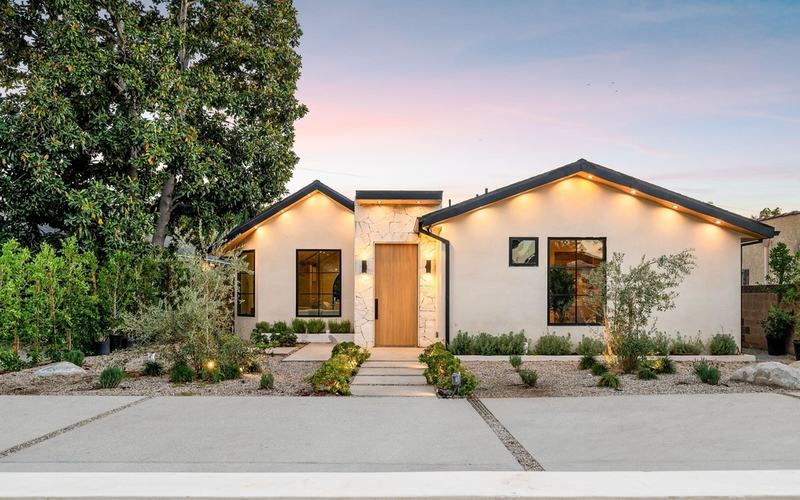
Confidence among U.S. homebuilders fell to its lowest level in more than 14 years in October as rising mortgage rates and affordability challenges continued to discourage buyers. The National Association of Home Builders/Wells Fargo Housing Market Index dropped three points to 29, missing economists’ expectations of 31 and marking its lowest reading since June 2012.
The index measures builder confidence in the market for newly built single-family homes. Readings below 50 indicate that more builders view market conditions as poor than good, highlighting the pressure facing the housing industry.
All three components of the index declined in October. The measure of current sales conditions fell two points to 33, its lowest level since 2012. Expectations for sales over the next six months dropped five points to 32, the weakest reading since November 2022.
Prospective buyer traffic suffered an even steeper decline, falling five points to 18. Excluding the initial shock of the COVID-19 pandemic in April 2020, that was the lowest reading since April 2012.
NAHB Chairman Bill Owens said mortgage rates had climbed well above 7% in recent weeks, making home purchases more expensive. Higher gasoline prices and persistent inflation have added to the financial strain on prospective buyers, while builders face rising costs for construction loans, building materials and diesel fuel.
“Housing remains squeezed by supply-side constraints and significant affordability challenges,” NAHB Chief Economist Robert Dietz said.
With buyers increasingly reluctant to commit to purchases, builders have turned to price cuts and other incentives to move homes. In October, 43% of builders reported reducing prices, the highest share recorded during the 2020-2026 period. The average price reduction remained at 6% for the seventh consecutive month.
Sales incentives have also become widespread. Sixty-five percent of builders reported offering incentives in October, marking the 19th consecutive month in which at least 60% of builders used measures such as mortgage-rate buydowns, upgrades or other concessions to attract buyers.
Builders are also dealing with higher labor expenses and difficulties finding available workers. A separate NAHB survey released last week found that builders’ labor costs had increased by a median of 4.2% over the previous year. In Florida, contractors have raised wages and offered recruiting bonuses as competition for construction crews intensifies.
Owens credited the Trump administration’s regulatory reform efforts with helping ease some of the cost pressures facing builders. However, the October confidence figures suggest that lower regulatory burdens alone have not overcome the effects of elevated borrowing costs, inflation and housing affordability challenges.
The downturn presents another obstacle for an industry that depends heavily on buyers’ ability to finance major purchases. Until mortgage rates and overall housing costs become more manageable, builders may face continued pressure to cut prices and offer incentives to attract customers.

Comments
No comments yet. Be the first to share your thoughts.