
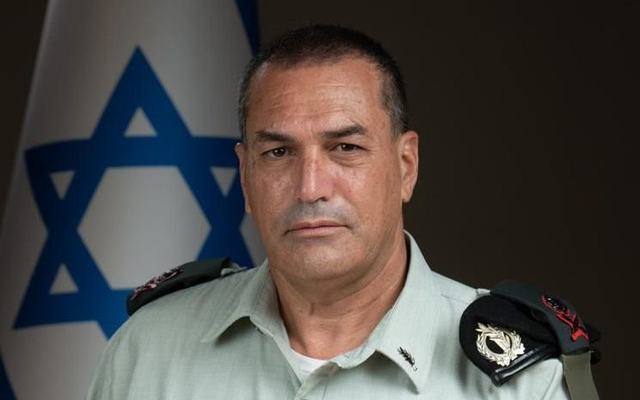
IDF Chief of Staff Lt. Gen. Eyal Zamir issued a stark warning during a security cabinet meeting on Wednesday, stating that the military will "collapse in on itself" amid a mounting manpower shortage. He raised "10 red flags" before ministers, emphasizing the need for immediate legislation on conscription, reserve duty, and extending mandatory service.
Zamir highlighted that without these measures, the IDF would soon lack readiness for routine missions, with the reserve system unable to sustain ongoing demands. The crisis stems from a shortage of approximately 12,000 troops, primarily combat soldiers, exacerbated by prolonged conflicts since the October 7, 2023, Hamas attack. These include operations in Gaza, against Hezbollah in Lebanon, and heightened threats from Iran.
A key factor is the exemption of ultra-Orthodox (Haredi) Jews from mandatory service. Around 80,000 Haredi men aged 18-24 remain eligible but unenlisted, following a 2024 High Court ruling against blanket exemptions. Political efforts to enact new exemption laws have stalled amid opposition from secular Israelis bearing a disproportionate burden.
The IDF faces a critical juncture in January 2027, when 2,500 combat soldiers complete mandatory service simultaneously, creating gaps unless offset by recruits, particularly Haredim, by March. Recent enlistment rates among Haredim have risen modestly, but fall short of the 5,000-6,000 needed annually.
Zamir's alert echoes earlier concerns. In January, he wrote to Prime Minister Benjamin Netanyahu and Defense Minister Israel Katz, urging extensions of men's service from 30 to 36 months and reserve duty adjustments to bolster readiness. Career officer retention has also plummeted, with hundreds leaving each year voluntarily.
In response to the pressures, the cabinet approved calling up to 400,000 reservists as a flexible ceiling for operational needs. The IDF has explored alternatives, including recruiting Jewish youth abroad and tailoring Haredi programs like Hashmonaim, which accommodates religious observance.
Despite these steps, Zamir stressed that reserves are eroding under expanded border deployments and multi-front threats. Regular brigades face reduced training in 2026 due to the strain. The military continues recruitment drives, including for the March-April 2026 cycle, incorporating new immigrants and lone soldiers.
The warning underscores vulnerabilities in Israel's defense posture as geopolitical tensions persist. Failure to address the manpower gap could impair responses to emerging threats, placing additional strain on an already stretched force.

Comments
No comments yet. Be the first to share your thoughts.