
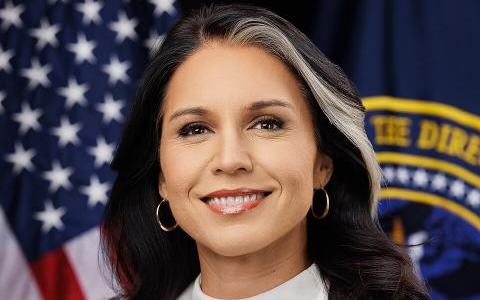
Director of National Intelligence Tulsi Gabbard, CIA Director John Ratcliffe and FBI Director Kash Patel testified before the Senate Select Committee on Intelligence on Wednesday about global threats to the United States.
The annual hearing focused heavily on the ongoing U.S. military campaign against Iran, which escalated three weeks ago following years of strikes including Operation Midnight Hammer in 2025. Gabbard described Iran's regime as "intact but largely degraded" due to attacks on its leadership and military capabilities. She stated in her written testimony that the operation "obliterated" Iran's nuclear enrichment program, with no efforts to rebuild since then, though she omitted this detail from her spoken opening remarks citing time constraints.
Gabbard noted that Iran's conventional military power projection has been largely destroyed, leaving it with limited options, but proxies remain capable of attacking U.S. and allied interests in the Middle East. She added that the intelligence community assesses Iran could begin developing a militarily viable intercontinental ballistic missile before 2035 if it pursues that path.
Lawmakers pressed the officials on intelligence provided to President Trump before the recent escalation. Gabbard deflected questions about specific warnings on risks like the Strait of Hormuz closure or attacks on Gulf allies, stating she would not divulge internal conversations and that determining an "imminent threat" is the president's responsibility. Ratcliffe called Iran an "immediate threat" and said intelligence contradicted the view of recently resigned National Counterterrorism Center Director Joe Kent, who claimed no imminent threat justified the conflict.
Ratcliffe highlighted CIA successes in operations against Iran and Venezuela, stating the agency had "delivered" flawless intelligence. Patel faced questions on elevated domestic terrorism threats, including recent attacks at a Michigan synagogue and Old Dominion University in Virginia, but specific quotes from him on global issues were limited.
Other witnesses included Defense Intelligence Agency Director Lt. Gen. James Adams and Acting National Security Agency Director Lt. Gen. William Hartman. Senators raised concerns about Russia benefiting from higher oil prices due to the Iran conflict and China as a primary strategic competitor.
Democratic senators, including Chair Mark Warner and Jon Ossoff, expressed frustration over perceived omissions and politicization of intelligence, such as Gabbard's presence at an FBI search in Fulton County, Georgia. Republicans like Chairman Tom Cotton praised the strikes for putting Iran "on its back foot."
The open session was followed by a classified briefing. A similar hearing is scheduled for the House Permanent Select Committee on Intelligence on Thursday.

Comments
No comments yet. Be the first to share your thoughts.