
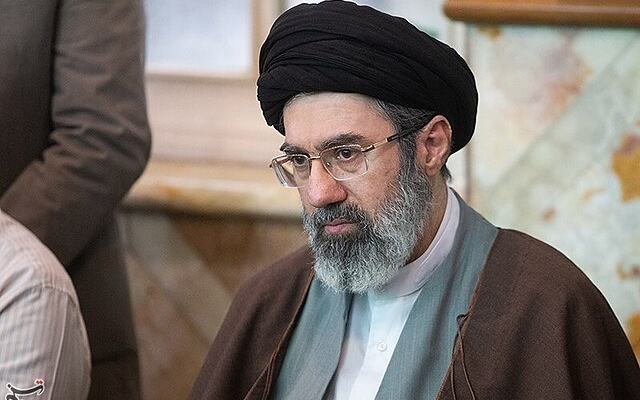
Mojtaba Khamenei has been named the new supreme leader of Iran following the death of his father, Ali Khamenei, who was killed during the opening phase of the ongoing regional war.
Iran’s powerful clerical body, the Assembly of Experts, announced Monday that the 56-year-old cleric would take over leadership of the Islamic Republic. The position gives him sweeping authority over Iran’s armed forces, foreign policy, and decisions related to the country’s nuclear program.
The younger Khamenei is considered a hard-line figure with strong ties to the Islamic Revolutionary Guard Corps, which has been launching missiles and drones at Israel and Gulf Arab states since the conflict erupted.
The war began after Israel and the United States launched attacks on Iranian targets, triggering a broader regional confrontation involving multiple Middle Eastern countries. Fighting has spread across the region, including clashes involving Israel and the Iran-backed militant group Hezbollah in Lebanon.
Mojtaba Khamenei had long been viewed as a potential successor to his father, despite never holding a formal elected government position. His selection has sparked criticism from some Iranian political figures who argue the move resembles hereditary succession, raising concerns that the Islamic Republic is drifting toward a dynastic system similar to the monarchy overthrown during the Iranian Revolution of 1979.
The new leader now assumes control during one of the most dangerous moments in Iran’s modern history. The conflict has already damaged key infrastructure, including oil facilities in Tehran struck by Israeli airstrikes.
Global markets have also been shaken by the war, with crude oil prices surging above $100 per barrel and natural gas supplies tightening after Qatar halted production amid regional security fears.
International reaction has been swift. President Donald Trump criticized the leadership transition, saying Mojtaba Khamenei’s rise was “unacceptable” and calling for a future Iranian leader who would bring “harmony and peace.”
Meanwhile, the humanitarian toll continues to climb. Officials say the war has killed more than 1,200 people in Iran, hundreds in Lebanon, and multiple civilians and soldiers in Israel. Hundreds of thousands have also been displaced in Lebanon as fighting between Israeli forces and Hezbollah spreads.
As Mojtaba Khamenei assumes power, analysts warn his hard-line reputation and deep ties to Iran’s security establishment could signal a more aggressive posture from Tehran in the ongoing regional conflict.


Comments
No comments yet. Be the first to share your thoughts.