
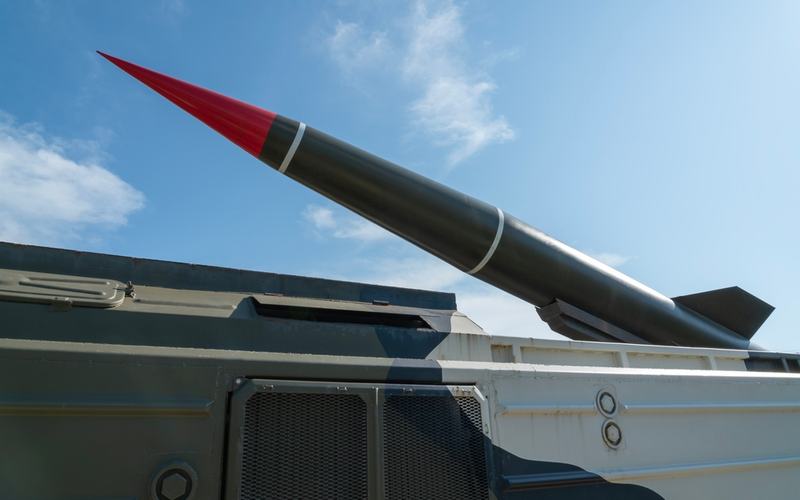
Israeli air defenses intercepted Iranian missiles over Tel Aviv early Wednesday, just hours after the United States and Iran agreed to a two-week ceasefire. The launches came amid a fragile truce brokered by Pakistan, with both sides claiming victory but reports of violations emerging across the region.
The ceasefire, announced Tuesday evening before a deadline set by President Donald Trump, includes provisions for reopening the Strait of Hormuz and U.S. efforts to remove Iran's enriched uranium stockpiles, with no further nuclear enrichment allowed. Trump described Iran's 10-point proposal as a "workable basis" for talks, while Vice President JD Vance called the agreement a "fragile truce," warning that Iranian officials were misrepresenting its terms. Negotiations are set to begin Friday in Islamabad.
The broader conflict erupted on February 28 when U.S. and Israeli forces struck Iranian nuclear and missile sites after Tehran reconstituted its ballistic missile program. Iran responded with waves of missile attacks on Israel, including multiple strikes near Tel Aviv. On March 28, a missile killed one civilian and wounded two in a Tel Aviv residential building. Earlier incidents in the Tel Aviv area, such as Ramat Gan on March 17 and Yehud on March 9, resulted in fatalities from cluster munitions deployed on some Iranian missiles. A fragment struck near the IDF's Kirya headquarters in Tel Aviv on April 4.
Israel assesses that Iran retains more than 1,000 missiles capable of reaching its territory, posing a continued threat despite U.S. and Israeli strikes degrading Tehran's capabilities. The Israeli military has intercepted most incoming projectiles, but some have caused damage and casualties, with at least 20 deaths in Israel from Iranian strikes.
Post-ceasefire, other violations included Iranian drones targeting Kuwaiti oil facilities and a missile barrage intercepted by UAE defenses, alongside an unexplained strike on an Iranian refinery. Israel continued operations against Hezbollah in Lebanon, striking over 100 sites despite mediators' claims that the truce covers that front. Hezbollah has not fully committed to the ceasefire and warned of retaliation.
Iranian leaders struck a defiant tone. Vice President Mohammad Reza Aref declared "the era of Iran" had begun, while judiciary head Mohsen Ejei said the nation proved "unyielding and undefeatable." Casualties in the six-week war stand at over 1,600 civilians in Iran, more than 1,500 in Lebanon, and dozens in Gulf states from Iranian actions.
Tel Aviv residents remained cautious Wednesday morning, with some reporting disrupted nights from air raid sirens. Oil prices fell 14% to $94 per barrel as tensions eased slightly, though markets watch for compliance. Global leaders urged adherence to the truce for lasting peace.

Comments
No comments yet. Be the first to share your thoughts.