
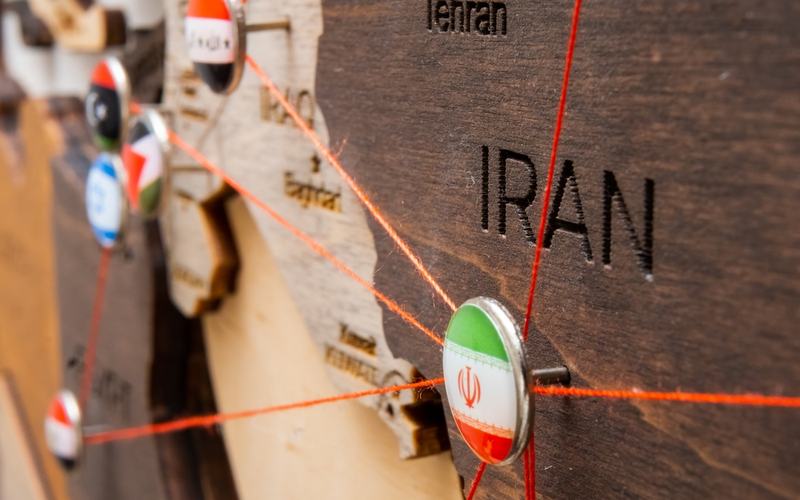
Iranian leaders have adopted a strategy of extending negotiations and the ongoing conflict with the United States to inflict political damage on President Donald Trump ahead of the midterm elections.
Reports indicate that Tehran aims to mirror the prolonged hostage crisis that weakened Jimmy Carter's presidency in the late 1970s and early 1980s. By dragging out talks over issues such as the Strait of Hormuz and nuclear matters, Iranian officials hope to keep the war simmering and erode support for Trump.
The conflict, which escalated earlier in 2026 with U.S. and Israeli strikes on Iranian targets, has involved periods of ceasefires interspersed with renewed attacks. Trump has repeatedly signaled willingness to pause strikes for talks, only for exchanges to continue. Recent developments include demands from both sides for compensation related to war damages and control over key waterways.
U.S. officials have noted Iran's insistence on major concessions, including financial payments and troop withdrawals, which have complicated efforts to reach a swift resolution. The administration maintains pressure through naval blockades and strikes while pursuing diplomatic channels.
This approach by Tehran reflects a calculated effort to exploit domestic U.S. political dynamics rather than seeking an immediate end to hostilities. Analysts note that prolonged engagement could raise oil prices and strain American resources, factors that historically challenge incumbent administrations.
Negotiations are expected to continue in the coming days, with Trump stating that deals remain possible but warning of further action if progress stalls. The situation remains fluid as both sides maneuver for advantage.

Comments
No comments yet. Be the first to share your thoughts.