
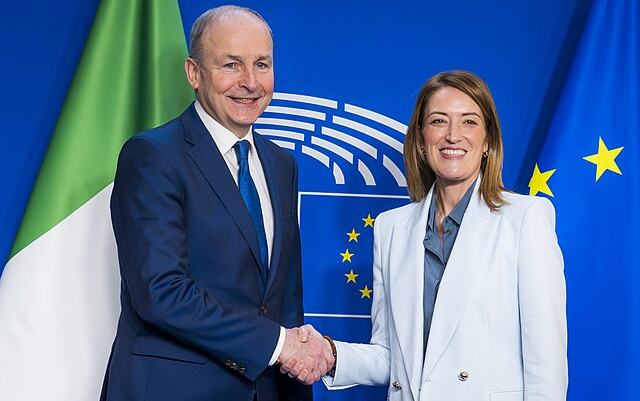
Irish Prime Minister Micheál Martin announced Sunday that Ireland will introduce new fuel tax cuts in an effort to bring an end to widespread protests that have disrupted fuel supplies and strained the country’s energy system.
The proposed relief package totals approximately €505 million ($592 million) and is aimed at reducing pressure on households and businesses facing surging fuel costs. The measure, which still requires parliamentary approval, would come in addition to a €250 million tax break approved just weeks earlier.
The unrest began earlier in the week, as farmers, truckers, and other transport operators organized blockades at critical infrastructure sites, including Ireland’s only oil refinery, major ports, and fuel depots. The protests, driven by frustration over rising fuel prices, led to significant supply disruptions, with more than a third of gas stations running dry by Saturday.
Officials warned that the situation was nearing a critical point. Martin said Ireland risked having oil shipments diverted to other countries and its primary refinery forced to shut down if the blockades continued. He criticized the protest tactics, arguing they would worsen shortages and drive prices even higher.
Law enforcement began taking action over the weekend to clear the demonstrations. Police used force, including pepper spray, to remove protesters from the Whitegate refinery in County Cork and reopened key transport routes, including Dublin’s O’Connell Street and the Galway docks. In some cases, military equipment was used to dismantle barriers blocking access to ports.
By Sunday, some demonstrators had begun to stand down. Protesters at a fuel depot in County Limerick voted to end their blockade, while those at Rosslare Europort allowed trucks to resume movement, easing a backlog of cargo.
Participants in the protests said the escalation was necessary to force government action, arguing that rising fuel prices threatened their livelihoods. Demonstrators have called for measures such as price caps and tax relief to offset costs driven higher by global energy disruptions.
Government officials, however, pointed to international factors as the primary cause of the price surge, including the ongoing conflict in the Middle East that has restricted oil exports through the Strait of Hormuz, a key global shipping route.
The political fallout is intensifying as the coalition government faces mounting criticism. Sinn Féin, the largest opposition party, announced plans to pursue a no-confidence vote, arguing that the government has failed to adequately respond to the crisis. Other opposition figures signaled support for the effort, increasing pressure on the ruling coalition.
While the easing of blockades is expected to gradually restore fuel supplies, industry officials say it could take up to 10 days for the system to fully recover. The government is now attempting to stabilize both the energy market and the political situation as the country deals with the broader impact of global fuel disruptions.

Comments
No comments yet. Be the first to share your thoughts.