
Conservative populist Laura Fernández of the Sovereign People’s Party won Costa Rica’s presidency in a decisive first-round victory on Sunday, capturing 48.3% of the vote with 96.8% of polling places reporting and eliminating the need for a runoff in a crowded field of 20 candidates, promising to build on the confrontational, anti-establishment reforms of outgoing President Rodrigo Chaves.
Fernández, Chaves’ handpicked successor and former minister of national planning and economic policy as well as minister of the presidency, secured a resounding mandate by outperforming her closest rival, economist Álvaro Ramos of the National Liberation Party, who took 33.4% and conceded Sunday night, pledging a “constructive opposition” while vowing not to let those in power escape accountability.
The Supreme Electoral Tribunal will conduct a manual count starting Tuesday before formally declaring Fernández the winner, but her lead was insurmountable.
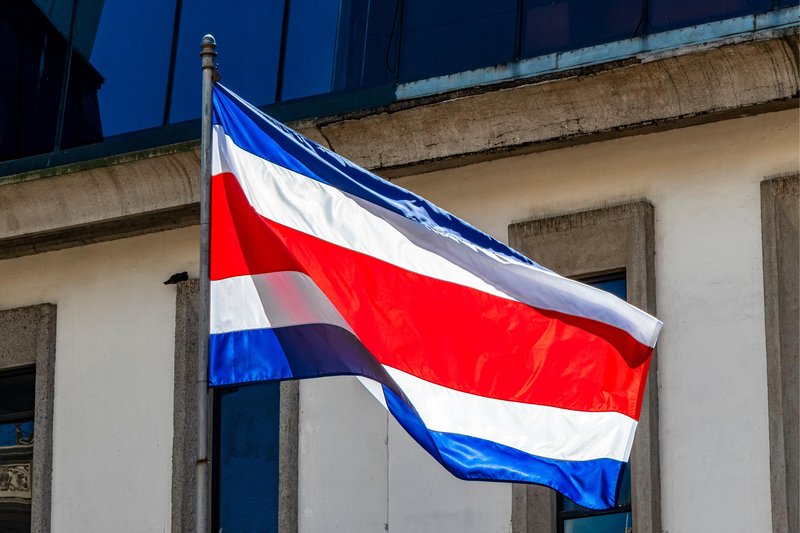
Fernández campaigned on continuing Chaves’ tough-on-crime approach amid a recent surge in violence, with many voters viewing his confrontational style as Costa Rica’s best hope to restore security despite criticisms that he failed to sufficiently reduce rates. On Monday, she emphasized unity and development: “I hope that we can immediately lower the flags of whichever political party and start working only in favor of the Costa Rican flag. I believe the Costa Rican people expect nothing less of us,” adding that her greatest desire as president is to consolidate development, face global challenges, and produce solid economic growth.
U.S. Secretary of State Marco Rubio quickly congratulated Fernández, expressing confidence that under her leadership Costa Rica will advance shared priorities including combatting narco-trafficking, ending illegal immigration to the United States, promoting cybersecurity and secure telecommunications, and strengthening economic ties.
The election also saw voting for the 57-seat National Assembly, where Chaves’ party was expected to gain but likely fall short of the supermajority needed for moves like selecting Supreme Court magistrates.
