
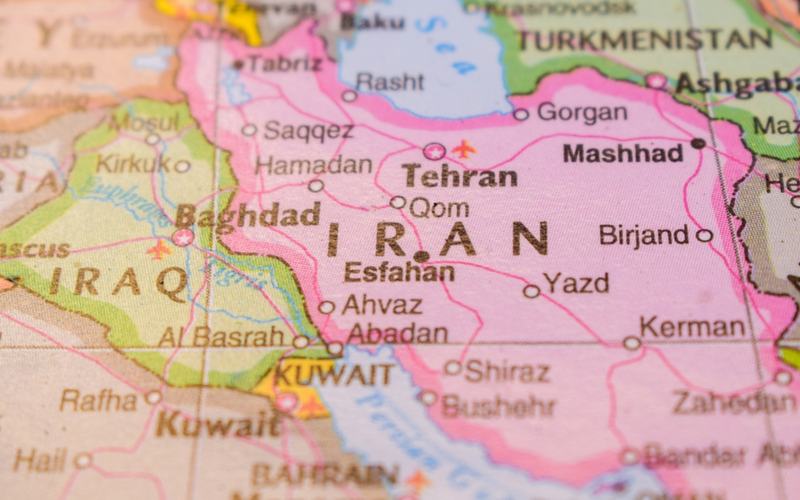
The United States, Iran, and regional intermediaries are engaged in urgent negotiations over a proposed 45-day ceasefire aimed at halting the ongoing Iran–U.S. Conflict (2026), according to reports.
Officials involved in the talks caution that the likelihood of reaching even a temporary agreement within the next 48 hours remains low. Still, the effort is being treated as a last opportunity to prevent a major escalation, including potential strikes on Iranian civilian infrastructure and retaliatory attacks on energy and water facilities across Gulf states.
Donald Trump recently extended his deadline for Iran to reach a deal, setting a new cutoff of Tuesday evening. He said the U.S. is “in deep negotiations” and suggested a breakthrough is still possible, while warning of severe consequences if talks fail.
According to sources, a joint U.S.-Israeli military plan targeting Iran’s energy infrastructure is prepared, though the extension was intended to allow space for diplomacy. Iran has responded with threats of retaliation against infrastructure in Israel and across the Gulf region.
The negotiations are being conducted through mediators from Pakistan, Egypt, and Turkey, alongside direct exchanges between U.S. envoy Steve Witkoff and Iranian Foreign Minister Abbas Araghchi.
A proposed framework under discussion includes a two-phase approach. The first phase would implement a 45-day ceasefire, potentially extendable if progress is made. The second phase would aim for a permanent resolution to the conflict.
Key obstacles remain, including reopening the Strait of Hormuz and addressing Iran’s stockpile of highly enriched uranium. Mediators are seeking limited initial concessions while attempting to secure U.S. assurances that a temporary truce could lead to a broader settlement.
Despite ongoing diplomacy, Iranian officials have publicly signaled resistance to making significant concessions under current conditions, leaving the outcome of the talks uncertain as the deadline approaches.

Comments
No comments yet. Be the first to share your thoughts.