
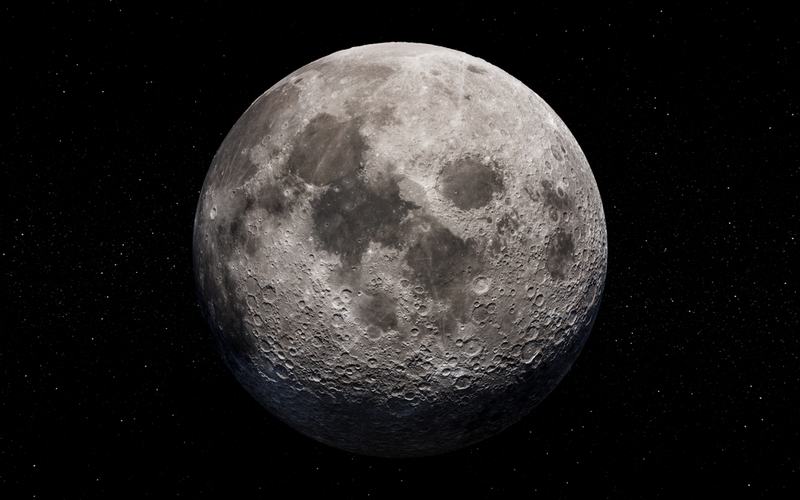
SpaceX is shifting its near-term focus away from Mars and toward building what Elon Musk described as a “self-growing city” on the moon, citing faster timelines and the ability to move more quickly due to the moon’s proximity to Earth.
Musk made the comments Sunday in a post on X, saying SpaceX could potentially establish a lunar city in under a decade, compared with more than 20 years for a similar effort on Mars. While reiterating that Mars remains part of the company’s long-term vision, Musk said the moon now represents the fastest path toward securing humanity’s future beyond Earth.
“For those unaware, SpaceX has already shifted focus to building a self-growing city on the Moon, as we can potentially achieve that in less than 10 years, whereas Mars would take 20+ years,” Musk wrote. He added that SpaceX’s core mission remains “extend consciousness and life as we know it to the stars.”
Musk pointed to logistics as a major factor behind the shift. Launch windows to Mars only open roughly every 26 months due to planetary alignment, and trips take about six months. In contrast, launches to the moon can occur roughly every 10 days, with travel times of about two days, allowing for faster iteration, testing, and development.
“That means we can iterate much faster to complete a Moon city than a Mars city,” Musk said.
Despite the reprioritization, Musk said SpaceX still plans to begin building a Mars city within the next five to seven years, though he emphasized that lunar development will take precedence. He framed the decision as a matter of urgency, saying the moon offers a faster way to safeguard civilization.
The remarks align with a recent Wall Street Journal report indicating that SpaceX has told investors it will prioritize lunar missions before attempting a Mars landing. According to the report, the company is targeting March 2027 for an uncrewed moon mission.
The shift marks a notable change in tone from Musk’s past statements. As recently as last year, he publicly dismissed the moon as a distraction, saying SpaceX was focused solely on Mars and aiming to launch an uncrewed Mars mission by the end of 2026.
Musk has a history of setting ambitious timelines for major projects, including electric vehicles, self-driving technology, and space exploration, many of which have slipped beyond their original targets.
The renewed emphasis on the moon also comes amid growing geopolitical competition. The United States is racing against China to return humans to the lunar surface this decade. NASA’s last crewed lunar mission, Apollo 17, took place in 1972.
Musk’s comments also arrive during a period of major financial and strategic change at SpaceX. Less than a week ago, he announced that SpaceX had acquired artificial intelligence company xAI, which he also leads, in a deal valuing SpaceX at $1 trillion and xAI at $250 billion.

Comments
No comments yet. Be the first to share your thoughts.