
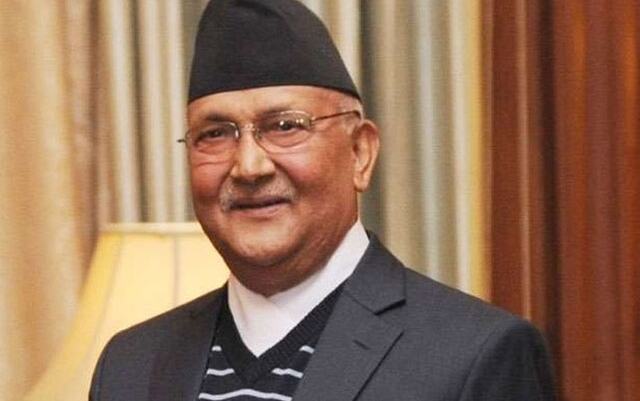
Nepal police arrested former Prime Minister KP Sharma Oli and ex-Home Minister Ramesh Lekhak early Saturday morning in connection with the deadly crackdown on anti-corruption protests last year. Officers in riot gear detained the pair at their homes in Kathmandu, and Oli, 74, who has undergone two kidney transplants, was taken to a hospital for medical tests as a routine procedure.
The arrests stem from a government-backed investigation into the "Gen Z protests" of September 2025, when youth-led demonstrations against corruption, unemployment, and a brief social media ban escalated into widespread violence. Protesters torched parliament, government buildings, and media offices, defying curfews and clashing with security forces. More than 70 people died in the unrest, with at least 19 killed on September 8 when police opened fire on demonstrators, including a teenager in a school uniform. The violence forced Oli to resign on September 9, ending his fourth term as prime minister.
A panel probing the events recommended prosecuting Oli, Lekhak, and the former police chief for criminal negligence, finding no direct order to shoot but faulting them for failing to stop hours of police firing that killed protesters, including minors. No formal charges have been filed yet, but the pair will appear in court on Sunday.
The detentions came a day after rapper-turned-politician Balendra Shah, 35, was sworn in as prime minister following his Rastriya Swatantra Party's landslide election victory on March 5, the first single-party majority in decades. Shah, who defeated Oli in his home constituency, campaigned on anti-corruption reforms and justice for the protest victims. New Home Minister Sudan Gurung posted on Instagram that "no one is above the law" and called the arrests "the beginning of justice."
Oli's Communist Party of Nepal (Unified Marxist-Leninist) condemned the move as illegal revenge politics and planned nationwide protests on Sunday. Supporters rallied in Kathmandu on Saturday, clashing with police who used tear gas. Oli described the panel's findings as "character assassination and hate politics," while his lawyers argued the arrest was improper, with no flight risk.
The protests highlighted Nepal's youth frustration with 20% unemployment, nepotism, and economic stagnation, propelling outsiders like Shah, a former Kathmandu mayor known for his anti-corruption rap songs, to power. Kathmandu police spokesman Om Adhikari said legal processes would proceed.

Comments
No comments yet. Be the first to share your thoughts.