
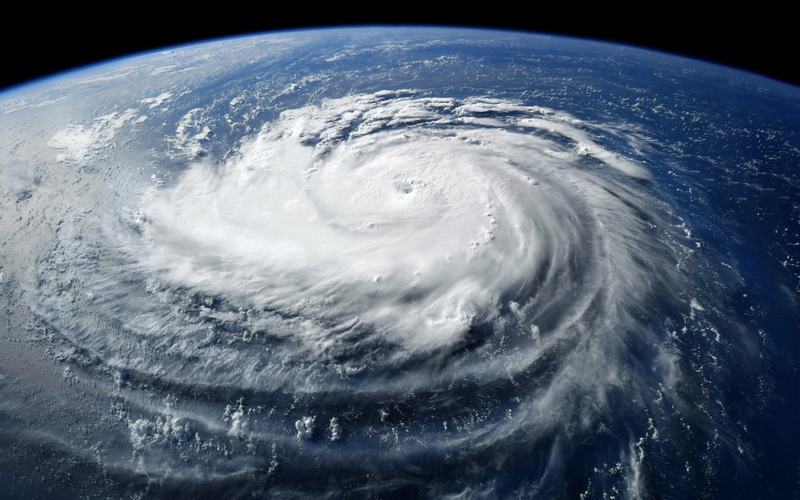
The National Oceanic and Atmospheric Administration (NOAA) projects that the current La Niña pattern is weakening, with ENSO-neutral conditions expected to dominate within the next month. Forecast models now suggest a growing probability of a powerful El Niño developing as the 2026 hurricane season unfolds.
El Niño, one phase of the El Niño-Southern Oscillation (ENSO) cycle, is defined by warmer-than-average sea surface temperatures in the equatorial Pacific, in contrast to cooler La Niña conditions. The phenomenon is known to suppress Atlantic hurricane activity by increasing upper-level wind shear, which disrupts storm formation and intensification. Stronger El Niño events generally produce a greater suppressive effect.
The International Research Institute for Climate and Society (IRI) recently revised its outlook, projecting equatorial Pacific temperatures could reach nearly 1.5°C above average by October, up from previous forecasts of 0.7°C. NOAA’s outlook supports this trend, signaling the possibility of a powerful or even Super El Niño this season.
Historical data shows that El Niño years typically yield around 10 named storms and five hurricanes in the Atlantic, compared with 14 storms and seven hurricanes in La Niña years. However, other factors, such as currently above-average Atlantic sea surface temperatures, could offset some of El Niño’s suppressive effects, providing fuel for early-season tropical development.
Past storms illustrate the potential risk. Hurricane Andrew in 1992 developed during an El Niño year, causing 65 deaths and $25 billion in damage, while the 2023 season saw record-warm Atlantic waters mitigate El Niño’s effects, producing the fourth most-active season on record, including Hurricane Idalia, which caused roughly $3 billion in damage in Florida.
Timing will be critical. A rapid onset of El Niño by mid-summer could significantly limit peak-season hurricane activity, whereas a gradual development may allow for early-season storms in June and July. Analysts emphasize that even a single strong storm can result in catastrophic impacts, making monitoring and preparedness essential as the season approaches.

Comments
No comments yet. Be the first to share your thoughts.