
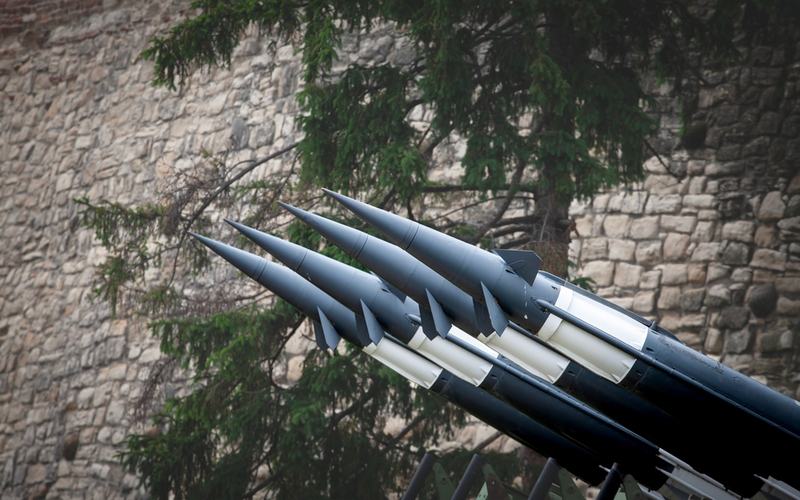
North Korea fired multiple short-range ballistic missiles toward the East Sea on Wednesday, marking the second consecutive day of weapons launches amid Pyongyang's rejection of South Korea's diplomatic overtures.
South Korea's Joint Chiefs of Staff detected the launches from the Wonsan area on North Korea's east coast. Around 8:50 a.m. local time, several short-range ballistic missiles flew approximately 240 kilometers before splashing down. A subsequent launch around 2:20 p.m. included at least one missile that traveled more than 700 kilometers, landing outside Japan's exclusive economic zone.
The activity followed Tuesday's test of an unidentified projectile from near Pyongyang, which disappeared from radar shortly after liftoff due to an apparent failure. South Korean and U.S. intelligence are analyzing the incident.
The launches came hours after North Korean state media dismissed South Korea's hopes for improved ties. Kim Yo Jong, the sister of leader Kim Jong Un, had earlier commented on President Lee Jae Myung's expression of regret over civilian drone flights into the North, calling him "honest and courageous." However, First Vice Foreign Minister Jang Kum Chol labeled South Korea the "most hostile enemy state" and derided Seoul's optimism as a "pipe dream."
South Korea condemned the tests as violations of U.N. Security Council resolutions. The presidential office held an emergency National Security Council meeting, urging Pyongyang to halt provocations. The Joint Chiefs emphasized readiness to respond under the U.S. alliance.
The U.S. Indo-Pacific Command stated the launches posed no immediate threat to personnel or allies but reaffirmed its commitment to regional defense. Japan's Defense Ministry confirmed the missiles fell into open waters, calling them a threat to peace.
These represent North Korea's fourth, fifth, and sixth ballistic missile tests of 2026, continuing its weapons development despite stalled diplomacy. Pyongyang has expanded its arsenal since the 2019 talks collapsed and deepened ties with Russia and China. The tests align with recent engine upgrades for solid-fuel missiles, enhancing mobility and concealability.
President Lee, who took office expressing dialogue hopes, faces immediate challenges from the provocations, which underscore North Korea's prioritization of military advancement over reconciliation.

Comments
No comments yet. Be the first to share your thoughts.