
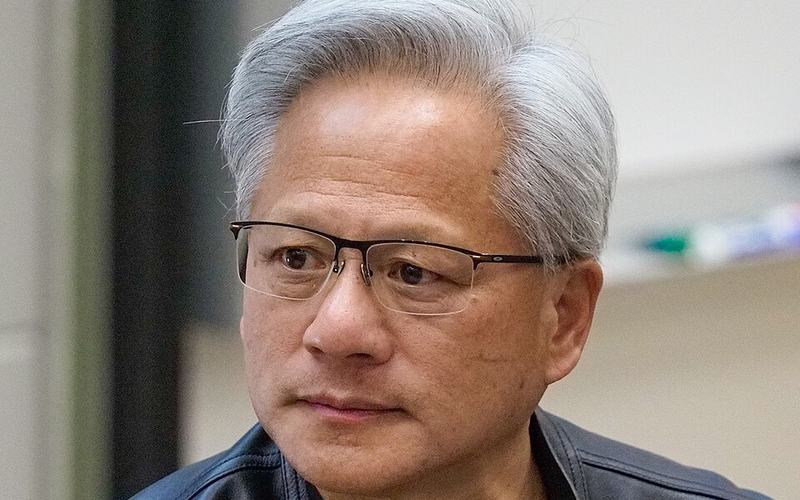
Nvidia CEO Jensen Huang apologized to employees Tuesday for violating the company's code of conduct, acknowledging that his personal actions had harmed his family and colleagues, according to a companywide meeting reviewed by The New York Times.
Huang, who returned to the chief executive position Monday after resigning earlier this month, told employees he had made serious mistakes and was spending 90 minutes a day in therapy.
“I made some terrible mistakes,” Huang said during the hourlong meeting. “I was unfaithful to Lori, and I hurt my kids and, of course, hurt all of you.”
Huang said his conduct was especially troubling because he had helped write Nvidia's code of conduct. The company's board unanimously accepted his resignation after learning he had an affair with a customer and maintained a relationship with an employee who reported directly to him, the Times reported.
The customer, a Chinese citizen, had passed information to Chinese intelligence services, according to U.S. officials cited by the newspaper. President Donald Trump told CNBC on Monday that he had assured Nvidia's board that Huang's return did not pose a national security threat.
Huang denied that Trump pressured directors to bring him back, despite reports that the president had encouraged the board to reinstate him. He said directors had reviewed the circumstances and gathered information before concluding that his return would benefit Nvidia and its shareholders.
“That is also completely untrue,” Huang said of the claim that Trump pressured the board.
The board's investigation into Huang's conduct had not been completed when he resumed his role, the Times reported. Huang is expected to testify at congressional hearings in Washington next week.
During the meeting, Huang thanked Colette Kress, who served as interim CEO, and Nvidia's leadership team for managing the company during his absence. He emphasized that his reinstatement should not be interpreted as permission for other employees to disregard company rules.
“Sometimes, it's appropriate to forgive,” Huang said. “Sometimes, it's not.”
Huang also responded to a Times report alleging that he had berated employees for years through insults and personal attacks. He acknowledged that his behavior could go too far and said Nvidia's human resources department would gather employee feedback about his conduct and report it to the board monthly.
“I can go too far,” Huang said. “When I go too far, it hurts people, it belittles them, it disempowers them. And that's not right.”
He defended Nvidia's management structure, which places more than 60 executives directly under his supervision. Huang said the arrangement helped the company continue operating during his absence and maintained that any of its top 60 executives could potentially succeed him.

Comments
No comments yet. Be the first to share your thoughts.