
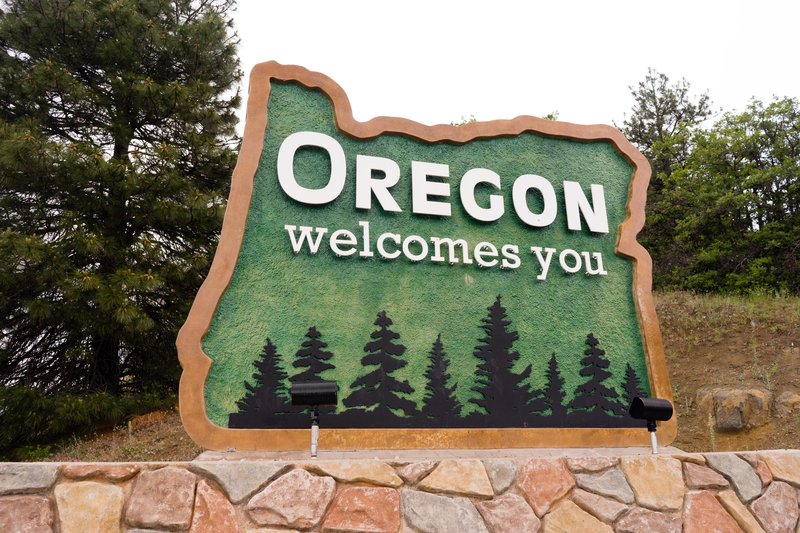
Oregon has agreed to begin purging approximately 800,000 ineligible or inactive voters from its voter rolls following a landmark settlement in a lawsuit brought by Judicial Watch, resolving claims that the state had failed to maintain accurate and up-to-date voter registration lists in violation of the National Voter Registration Act (NVRA). The agreement marks one of the largest voter-roll cleanups in recent U.S. history and comes as conservatives celebrate a major win for election integrity ahead of the 2026 midterms.
Judicial Watch, a conservative watchdog group, filed the lawsuit in 2024 against Oregon Secretary of State LaVonne Griffin-Valade (and later Shenna Bellows) on behalf of local voters, alleging the state had systematically violated the NVRA by failing to remove ineligible registrants—including non-citizens, deceased individuals, felons no longer eligible to vote, and those who had moved out of state or become inactive. The group presented evidence showing Oregon had one of the highest rates of inactive registrations in the nation, with hundreds of thousands of names lingering on the rolls for years without proper verification or removal.
Judicial Watch President Tom Fitton called the settlement a “huge victory for clean elections,” stating: “Oregon had allowed its voter rolls to become bloated with ineligible names, creating opportunities for fraud and diluting the votes of legal citizens. This purge restores integrity and ensures only eligible voters participate.”
The 800,000 figure represents roughly 20–25% of Oregon’s total registered voters (around 3.2–3.3 million), though the vast majority are inactive (moved, no recent voting activity) rather than confirmed non-citizens or deceased. Still, the scale has drawn national attention and criticism from voting-rights groups like the ACLU and League of Women Voters, who argue aggressive purges risk removing eligible voters (especially minorities, students, and the elderly) and could suppress turnout.
Oregon Democrats, who control the Secretary of State’s office and legislature, have downplayed the settlement as routine maintenance while insisting safeguards will prevent wrongful removals. Republicans and election-integrity advocates, however, see it as vindication of long-standing concerns about lax list maintenance in blue states, particularly after Oregon’s adoption of automatic voter registration and mail-in voting expansions.
The purge process is expected to begin in phases over 2026, with notices sent to affected registrants and opportunities for reinstatement if errors occur. The settlement is part of a broader Judicial Watch campaign that has secured similar agreements in states like Pennsylvania, New York, California, and Illinois.
