
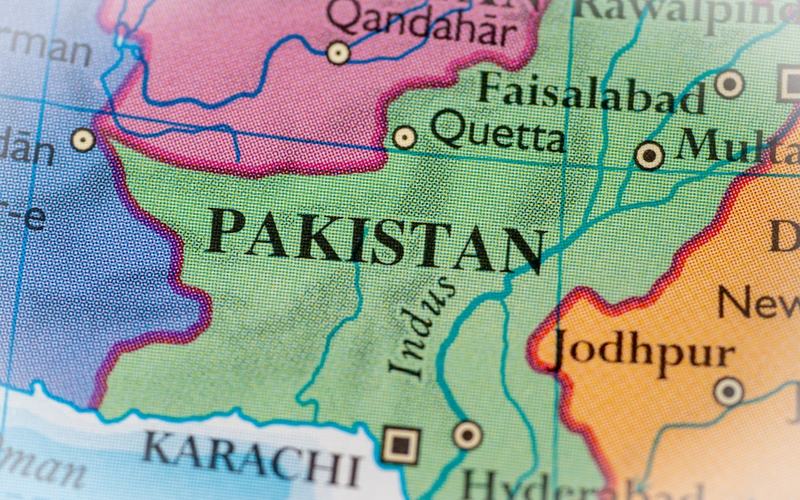
Pakistan has positioned itself as the lead mediator in the ongoing US-Iran war, facilitating back-channel communications between Washington and Tehran as President Donald Trump announced progress in indirect negotiations.
On Sunday, March 22, Pakistani Army Chief General Asim Munir held talks with Trump, while Prime Minister Muhammad Shehbaz Sharif spoke multiple times with Iranian President Masoud Pezeshkian, including a conversation on Monday. Senior Pakistani officials have relayed messages between US Middle East envoy Steve Witkoff, aide Jared Kushner, and Iranian counterparts. Pakistan proposed its capital, Islamabad, as a neutral venue for direct talks involving high-level figures from both sides in the coming days.
The efforts coincide with Trump's decision on March 23 to postpone planned strikes on Iranian power plants and energy infrastructure. Trump described the discussions as "very good and productive," citing "major points of agreement" on issues like Iran's uranium enrichment. He gave a five-day window for further talks before reassessing military options. Iran's Foreign Ministry denied direct negotiations but acknowledged receiving US requests via "certain regional countries."
The war began on February 28 when the US and Israel launched joint airstrikes under Operations Epic Fury and Roaring Lion, targeting Iranian nuclear facilities like Natanz, military bases, and leadership, including Supreme Leader Ali Khamenei. Iran retaliated with missile and drone barrages on US bases, Israel, and Gulf allies, while closing the Strait of Hormuz to most shipping, driving oil prices above $114 per barrel. Now in its fourth week, the conflict has caused thousands of casualties, predominantly in Iran, with over 6,000 Iranian military personnel reported killed by US and Israeli estimates.
US and Israeli strikes have destroyed significant Iranian missile launchers, naval assets, and nuclear infrastructure. Iran has launched over 1,200 ballistic missiles and 2,000 drones, but reduced output amid losses. Proxies like Hezbollah have escalated in Lebanon, prompting a parallel conflict.
Pakistan's mediation leverages its close ties to Iran and recent rapport with the Trump administration. The nation has suppressed pro-Iran protests domestically while maintaining neutrality. Other regional players, including Turkey and Egypt, are also involved in shuttle diplomacy.
Trump's overture follows intense US airstrikes, including recent bunker-buster attacks on Natanz. Iran has warned of retaliation against Gulf energy sites if its infrastructure is hit further and threatened to mine sea lanes. The Strait remains hazardous, with limited neutral shipping allowed.
Global markets reacted positively to de-escalation signals, with oil prices falling sharply after Trump's announcement. The US has spent billions on the campaign, requesting $200 billion in additional funding. No ceasefire is in place, but diplomatic momentum builds as the war's economic toll mounts.

Comments
No comments yet. Be the first to share your thoughts.