
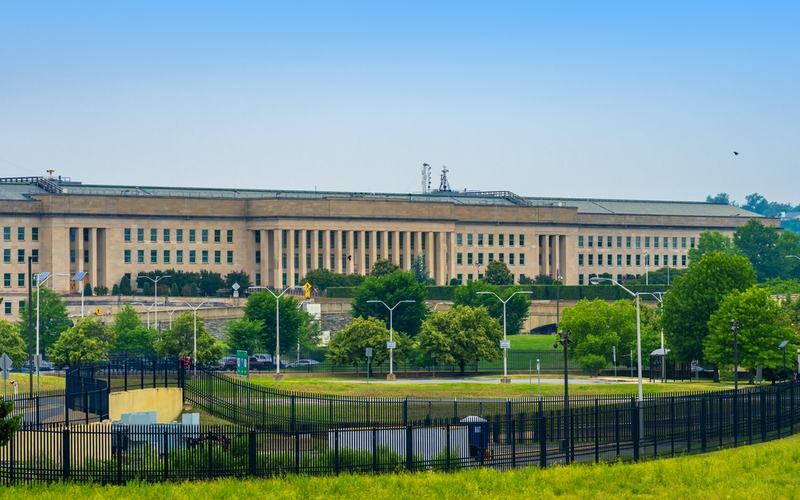
The Pentagon is investigating whether a cyberattack caused a series of freezer malfunctions that spoiled food at U.S. military bases across the country in August, according to a Reuters report published Thursday citing four officials familiar with the investigation.
The incidents affected at least six military commissaries, the on-base stores where service members and their families purchase groceries. In at least one case, the equipment appeared to have been deliberately switched into a defrost setting, raising questions about whether the failures were ordinary mechanical problems or an act of sabotage.
At Fort Huachuca in Arizona, the installation's official Facebook account reported on Aug. 26 that a freezer had entered defrost mode, heating the food inside and leaving it spoiled. The episode was among the incidents that prompted concern about possible interference with the refrigeration systems.
The Army Criminal Investigation Division's Cyber Field Office is involved in the inquiry, while a unit of U.S. Cyber Command is coordinating with other government agencies and law enforcement partners. The Pentagon confirmed the coordination but declined to provide further details.
Investigators are also communicating with French authorities examining a similar incident involving commercial refrigeration systems in France. According to Reuters, a cyberattack there affected more than 350 establishments, including supermarkets, after attackers allegedly manipulated temperature controls. Some refrigeration units reportedly became so hot that they caught fire.
The similarities have increased concerns that hackers could exploit vulnerabilities in refrigeration equipment to disrupt food supplies without directly attacking traditional computer networks. Investigators have not established whether the U.S. and French incidents are connected.
The investigation's progress remains unclear, and authorities have not publicly identified a suspect or determined whether the American malfunctions were caused by a deliberate cyberattack.
Cybersecurity specialists have warned that refrigeration systems can be vulnerable when equipment designed for local, hands-on maintenance is connected to the internet. Older controllers and outdated firmware can create opportunities for unauthorized access, potentially allowing intruders to manipulate temperatures rather than simply disable a system.
Such interference can have consequences beyond financial losses. Refrigeration is essential to preserving food throughout the supply chain, and unauthorized changes to temperature settings can destroy large quantities of inventory and create food-safety risks.
Previous incidents have demonstrated that refrigeration equipment can be targeted. Danish technology company Danfoss has said hackers targeted or accessed supermarket refrigeration controllers in Russia and Israel in 2022. Federal prosecutors in Los Angeles also accused a Ukrainian woman in December 2025 of participating in a hacking group linked to a 2024 attack that disrupted refrigeration at a meatpacking facility and spoiled more than 2,000 pounds of meat.
The Pentagon's investigation will seek to determine whether the August incidents were accidental failures or deliberate interference with military food infrastructure. For now, officials have not confirmed that a cyberattack occurred or disclosed who, if anyone, may have been responsible.

Comments
No comments yet. Be the first to share your thoughts.