
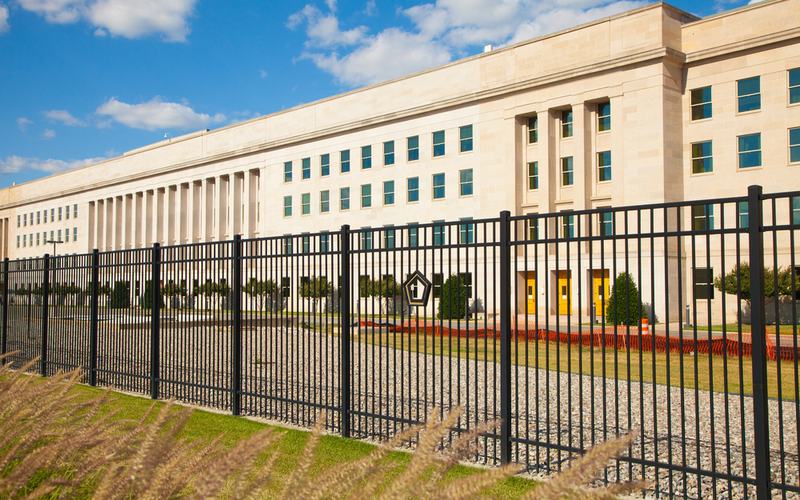
The Pentagon has requested White House approval for more than $200 billion in supplemental funding to Congress to support the ongoing war with Iran. The request, first reported by The Washington Post citing a senior administration official, marks one of the largest emergency military funding asks in U.S. history.
The funding would cover operations, munitions replenishment, and other costs associated with the conflict that began on February 28, 2026, when the United States and Israel launched widespread airstrikes on Iranian military sites, air defenses, and missile facilities. Dubbed Operation Epic Fury by some reports, the campaign aimed to neutralize threats from the Iranian regime, including its nuclear program and proxy forces.
U.S. military spending on the war exceeded $11.3 billion in the first six days alone, according to Pentagon briefings to Congress. The initial 24 hours of operations cost an estimated $779 million. At current burn rates, the $200 billion request could sustain efforts for several months, though officials have not detailed the exact timeframe or breakdown.
The war has escalated rapidly. Israel conducted strikes on northern Iran and coordinated with the U.S. on attacks against key infrastructure, including the South Pars gas field, the world's largest, shared with Qatar. Iran retaliated with missile barrages on Israel, causing 15 deaths, and attacks on energy facilities in Qatar, the UAE, and Saudi Arabia. Three Palestinian women died in the first Iranian strike to kill civilians in the West Bank, near Hebron. Israeli airstrikes in Beirut killed at least 12 people.
Oil prices surged toward $110 per barrel amid threats to the Strait of Hormuz and Gulf infrastructure. Iran vowed revenge after the killing of its intelligence chief Esmail Khatib and warned of global repercussions.
The request sets up a potential battle in Congress. Democrats have criticized the war's costs and lack of public support, while Republicans expressed general backing but face hurdles securing 60 Senate votes. President Donald Trump, who campaigned against foreign entanglements, has framed the conflict as necessary to counter imminent threats, though his Director of National Intelligence, Tulsi Gabbard, evaded questions on Iran's nuclear capabilities.
The White House has yet to formally respond to the Pentagon's proposal, but passage would dwarf prior supplementals like those for Ukraine.

Comments
No comments yet. Be the first to share your thoughts.