
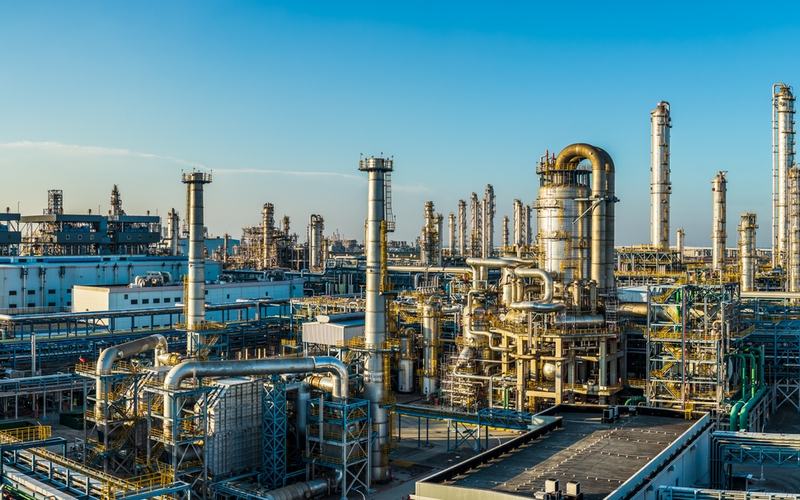
President Donald Trump has announced via Truth Social that America First Refining will build the first new major oil refinery in the United States in nearly 50 years at the Port of Brownsville in Texas. The project, valued at $300 billion in economic impact, drew praise from Trump as "the biggest in U.S. history" and a "massive win for American workers, energy, and the great people of South Texas."
Trump specifically thanked "our partners in India, and their largest privately held Energy Company, Reliance, for this tremendous Investment." Reliance Industries, led by Mukesh Ambani and operator of the world's largest refining complex in Jamnagar, India, is backing the initiative with investment and a binding 20-year offtake agreement to purchase the refinery's output. The deal is expected to help offset $300 billion in the U.S. trade deficit with India.
The refinery, with a capacity of approximately 168,000 barrels per day, will process 100% U.S. light shale oil from the Permian Basin, including 1.2 billion barrels valued at $125 billion to produce 50 billion gallons of refined products worth $175 billion. Trump described it as "the cleanest refinery in the world," designed to fuel domestic markets, boost energy exports, strengthen national security, and create thousands of jobs.
Local officials at the Port of Brownsville expressed enthusiasm, noting they have worked with the developers for 12 years. Port board chairman Steve Guerra said the project could break ground as early as April 2026, creating about 300 full-time jobs and positioning the area as an energy hub. America First Refining executives, including CEO Trey Griggs, highlighted its role in addressing a U.S. surplus of light shale oil and a shortage of compatible refining capacity.
The announcement comes amid a historical gap in U.S. refining infrastructure. No major greenfield refinery has been built since the late 1970s, partly due to regulatory hurdles and a shift toward exporting crude while importing refined products. From 2014 to 2024, the U.S. exported nearly 10 billion barrels of crude but imported 28 billion barrels, costing over $1.8 trillion.
Industry analysts offered measured responses. Tom Kloza of Kloza Advisors noted potential advantages for exports to South America given lower U.S. natural gas costs, calling Reliance "a very successful company." Others pointed to existing Gulf Coast capacity and questioned the scale, estimating construction at around $6.7 billion. Reliance Industries has not yet publicly confirmed its involvement.
President Trump framed the project as a result of his America First policies, including streamlined permits and tax cuts, ushering in a return to "real energy dominance." The timing aligns with volatile oil markets, where West Texas Intermediate crude traded around $84.71 per barrel on Wednesday.

Comments
No comments yet. Be the first to share your thoughts.