
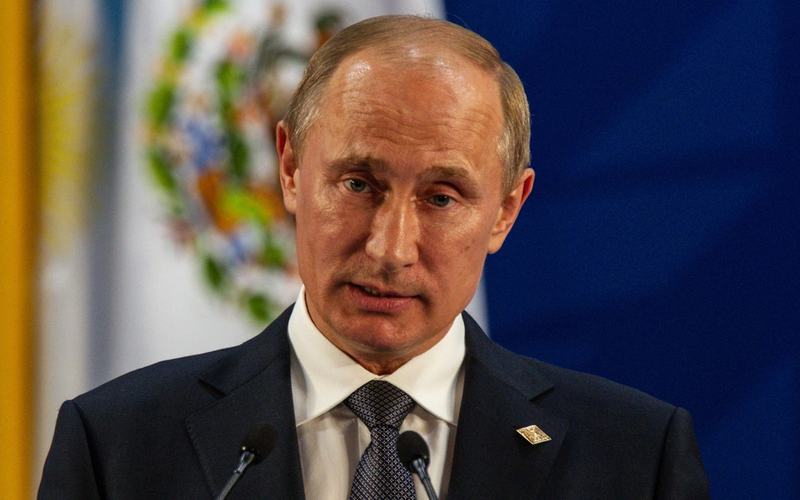
European intelligence officials have warned that Russian President Vladimir Putin is preparing limited forms of aggression against NATO members to test the alliance's solidarity and response mechanisms.
Intelligence assessments from multiple European nations indicate that Moscow could pursue drone strikes, missile attacks on infrastructure, or small-scale incursions in the coming months. These actions would aim to violate NATO territory without triggering a full military confrontation, according to analysts and officials.
Polish Foreign Minister Radoslaw Sikorski stated during the United Nations General Assembly that Moscow is "cooking up something big this year." Danish intelligence assessments this week highlighted the risk of a Russian missile strike on NATO facilities supporting Ukraine, potentially within weeks.
Recent incidents have heightened concerns. German officials blamed Russia for a drone incident at Leipzig airport targeting Ukrainian supply planes. A separate Russian drone struck a train near the Polish border. Airspace violations and sabotage plots have prompted alerts across Poland, Lithuania, and other frontline states.
Experts assess that Putin views these hybrid tactics as a way to exploit divisions within NATO and undermine Article 5 commitments. Justin Bronk of the Royal United Services Institute noted that Russia appears to be planning targeted aggression with multiple potential forms, raising the overall risk level even if execution remains uncertain.
The warnings come as Russia's war in Ukraine enters its fifth year with no end in sight. NATO Secretary General Mark Rutte described Putin as being in a "bad place," arguing that hybrid incidents reflect desperation rather than strength. Baltic officials have urged caution against panic while acknowledging the expanded sabotage campaign across Europe.
U.S. intelligence has also signaled awareness of these risks, with CIA Director John Ratcliffe delivering warnings during a visit to Moscow in August. European leaders, including Polish Prime Minister Donald Tusk, have publicly cautioned that Russia might frame deliberate strikes as accidents to avoid unified retaliation.
NATO maintains that it has response options ready for hybrid threats and that recent Russian actions have only strengthened allied resolve. Frontline members continue to enhance air defenses, conduct exercises, and prepare for potential escalations while supporting Ukraine's defense efforts.

Comments
No comments yet. Be the first to share your thoughts.