
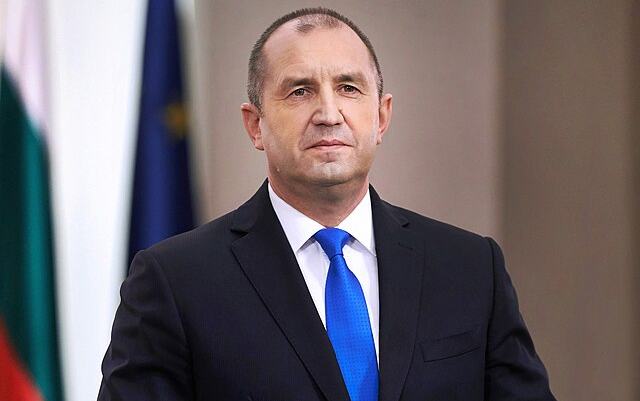
Former Bulgarian President Rumen Radev's Progressive Bulgaria coalition swept to victory in the country's parliamentary election on Sunday, securing 43.91 percent of the vote and 130 seats in the 240-member National Assembly. The result marks the first outright majority for a single party or coalition since 1997 and ends five years of political deadlock that prompted eight snap elections.
Voter turnout rose to 50.05 percent, up more than 11 points from the previous election. Progressive Bulgaria dominated across demographics, including younger voters who participated in anti-corruption protests late last year. Radev, a 62-year-old former fighter pilot who resigned as president in January to lead the center-left populist coalition, hailed the outcome as "a victory of hope over distrust, a victory of freedom over fear."
The election followed the December 2025 resignation of Prime Minister Rosen Zhelyazkov's minority government amid protests over corruption and the 2026 budget. Long-established parties suffered heavy losses. GERB-SDS, led by ex-Prime Minister Boyko Borisov, took 13.18 percent and 39 seats. The pro-Western We Continue the Change-Democratic Bulgaria bloc earned 12.42 percent and 37 seats, while the Movement for Rights and Freedoms garnered 7.01 percent and 21 seats. Revival secured 4.19 percent and 13 seats, and the Bulgarian Socialist Party failed to enter parliament for the first time.
Radev campaigned on dismantling Bulgaria's "oligarchic system," tackling poverty and inflation, and severing ties between mafia figures and politicians. He accused rivals like Borisov and sanctioned oligarch Delyan Peevski of enabling a mafia state. Borisov conceded defeat and congratulated Radev, noting that "winning elections is one thing, governing is another."
Known for pro-Russian views, Radev has opposed EU sanctions on Moscow, military aid to Ukraine, and Bulgaria's euro adoption, which he blamed for inflation. He advocates dialogue with Russia for energy security and has called Crimea Russian territory. Despite this, Radev pledged to pursue Bulgaria's "European path" and maintain EU and NATO membership.
European Commission President Ursula von der Leyen congratulated Radev, affirming Bulgaria's role in the bloc. Analysts predict he will seek legitimacy with EU leaders rather than disrupt like Hungary's Viktor Orban. With a majority, Radev can form a government swiftly, potentially stabilizing the EU's poorest member and addressing rule-of-law issues that have delayed funds.

Comments
No comments yet. Be the first to share your thoughts.