
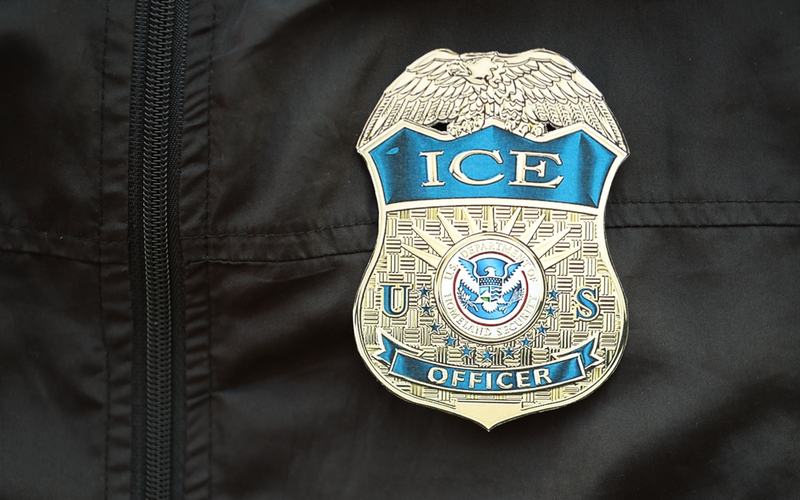
Rhode Island lawmakers have advanced legislation aimed at preventing former U.S. Immigration and Customs Enforcement agents from joining state and local police forces. House Bill 7439 and its Senate companion S2479, dubbed the "ICE Out Act," would amend the state's Law Enforcement Officers' Due Process, Accountability, and Transparency Act to bar agencies from employing anyone hired as a sworn ICE officer on or after January 20, 2025, the start of President Donald Trump's second term. The restriction would apply prospectively to hires made after October 1, 2026.
Rep. Karen Alzate, D-District 60, sponsored the House bill. The measure seeks to address concerns over ICE tactics amid the federal government's intensified immigration enforcement under Trump. Supporters argue it protects community trust in local policing by excluding officers trained in what they describe as aggressive federal operations.
The House Judiciary Committee heard testimony on the bills on March 5, 2026. Representatives from the Rhode Island State Police raised objections, warning that the prohibition could exacerbate ongoing recruitment challenges for law enforcement amid national staffing shortages. Critics, including conservative outlets, have labeled the proposal discriminatory against federal law enforcement personnel.
This effort mirrors a similar proposal in Washington state earlier this year. There, Rep. Tarra Simmons, D-Bremerton, introduced House Bill 2641, the "ICE Out Act of 2026." That bill targeted the same cohort of post-inauguration ICE hires but stalled in the legislature by early February and is now dead for the session.
Simmons justified her bill by citing reports of ICE agents using violent tactics, including breaking vehicle windows and detaining U.S. citizens without cause. She emphasized the need to prevent such practices from infiltrating local departments. "The last thing we need is infiltration of ICE agents trained during the Trump Administration," she stated.
Rhode Island's bills remain in committee with no votes recorded as of Monday. The state, known for its sizable immigrant communities, has seen protests against federal immigration raids. Proponents frame the legislation as a safeguard for public safety and trust, while opponents contend it limits qualified candidates at a time when police departments struggle to fill positions.

Comments
No comments yet. Be the first to share your thoughts.