
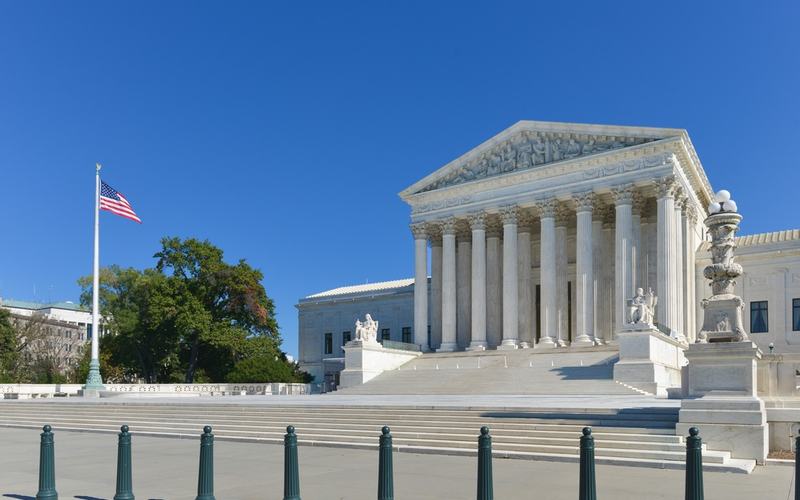
The U.S. Supreme Court appeared poised to reject President Donald Trump's executive order limiting birthright citizenship following oral arguments on Wednesday in Trump v. Barbara. A majority of justices, including conservatives, expressed doubts about the administration's interpretation of the 14th Amendment during the high-stakes hearing.
Trump signed the order titled "Protecting the Meaning and Value of American Citizenship" on January 20, 2025, his first day back in office. It sought to deny automatic citizenship to children born in the U.S. to undocumented immigrants or those on temporary visas, such as students or workers. The policy has never taken effect, blocked by federal courts that deemed it unconstitutional.
Solicitor General D. John Sauer argued that the 14th Amendment, ratified in 1868 to grant citizenship to freed slaves, does not extend to children of illegal immigrants or temporary visitors. He cited concerns over "birth tourism" and illegal immigration incentives, noting most countries lack unconditional birthright citizenship. Sauer contended the phrase "subject to the jurisdiction thereof" excludes those without full allegiance to the U.S.
Challengers, led by ACLU attorney Cecillia Wang, defended the amendment's plain text and 1898 precedent in United States v. Wong Kim Ark, which affirmed citizenship for a child of Chinese immigrants. They argued the order creates a permanent underclass and ignores over a century of settled law.
Several justices pressed Sauer on practicality and history. Chief Justice John Roberts remarked, "It's a new world, but it's the same Constitution," questioning birth tourism data. Justice Neil Gorsuch highlighted focus on the child, not parents. Justices Elena Kagan, Brett Kavanaugh, and Amy Coney Barrett raised issues with implementation, like determining parental intent at birth. Even Justice Samuel Alito probed challengers on Wong Kim Ark's domicile references, but overall skepticism dominated.
Trump attended the arguments for about 90 minutes, a rare move for a sitting president. Afterward, he posted on Truth Social: "We are the only Country in the World STUPID enough to allow 'Birthright' Citizenship!" sparking backlash from supporters frustrated by the court's apparent leanings.
Outside the court, demonstrators rallied. ACLU staff emphasized birthright citizenship as core to American identity. Advocacy groups like the Legal Defense Fund and Asian Law Caucus hailed the arguments, predicting the order's defeat and warning of harm to families. Conservative outlets noted justices' wariness as a potential roadblock to immigration reforms.
The court will conference on the case today, with a decision expected by late June or early July. Lower courts, including those in New Hampshire, have certified nationwide classes blocking the order. The hearing underscores ongoing tensions over immigration policy and constitutional limits on executive power.

Comments
No comments yet. Be the first to share your thoughts.