
The U.S. Department of Transportation issued a stark warning about possible airspace shutdowns as the partial government shutdown affecting the Department of Homeland Security entered its 68th day on Wednesday.
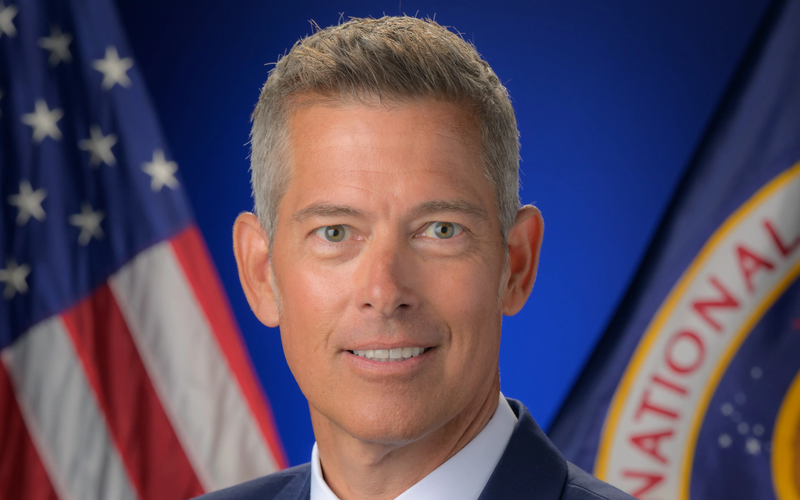
Transportation Secretary Sean Duffy, who previously cautioned during the 2025 shutdown that staffing shortages could force closures of parts of the national airspace, reiterated concerns over air travel disruptions. Although the current lapse primarily impacts DHS agencies like the TSA, increased callouts among security screeners have led to widespread delays and long lines at airports.
The shutdown, the second in 2026, stems from congressional disputes over immigration enforcement reforms following a high-profile incident involving CBP agents. It began on February 14 after lawmakers failed to agree on DHS funding, leaving TSA officers working without pay and prompting higher absenteeism rates. Reports from major hubs like Houston's George Bush Intercontinental Airport noted wait times approaching four hours earlier this month.
While the FAA and DOT remain funded, experts warn that cascading effects from TSA bottlenecks could pressure air traffic control systems. During the first 2026 shutdown from January 31 to February 3, approximately 10,000 FAA workers were furloughed, and controllers worked without pay, leading to operational strains. A similar 2025 shutdown saw the FAA reduce flights by 10% at 40 busy airports and issue emergency orders to maintain safety.
Duffy had stated in November 2025, "You will see mass flight delays. You’ll see mass cancellations, and you may see us close certain parts of the airspace because we just cannot manage it." Aviation groups have called for Congress to end the impasse, noting risks to safety and the economy from prolonged disruptions.
The White House has blamed Democrats for blocking clean funding resolutions in favor of policy demands, while negotiations remain stalled. President Trump signed an executive order in late March to pay TSA workers using other funds, but a broader resolution eludes lawmakers.
Airlines reported record spring travel volumes despite the chaos, but passengers face uncertainty as the shutdown persists into late April. The FAA continues to monitor national airspace status, with no immediate closures announced.

Comments
No comments yet. Be the first to share your thoughts.