
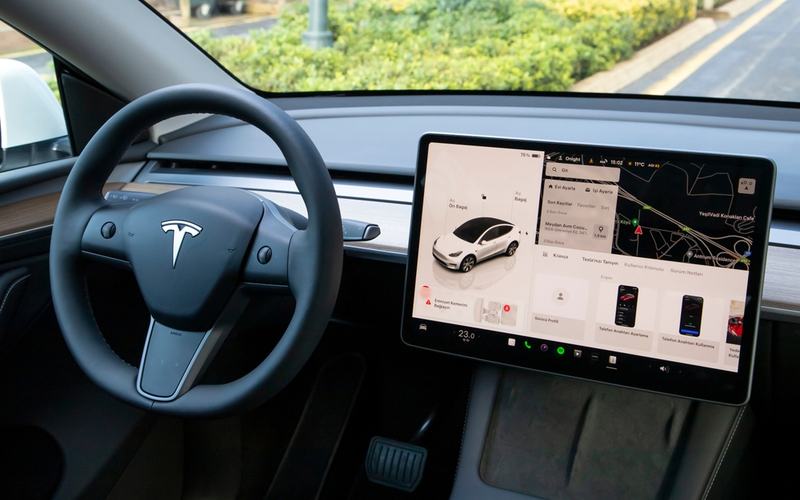
Older Americans are turning to Tesla vehicles equipped with Full Self-Driving (Supervised) software to extend their time behind the wheel and preserve personal freedom. News coverage from this week highlights multiple seniors in their 80s and 90s who credit the technology with allowing them to run errands, visit family, and remain in their homes.
Joan Spalding, 89, of Evergreen, Colorado, uses the system on steep mountain roads near the home she built with her late husband more than 50 years ago. She told reporters that without the technology she would have to move. Her son, already a Tesla owner, recommended the vehicle after seeing its capabilities.
Larry Dimmock, 98, of New Mexico, purchased a Model Y and stated that the system makes him feel safer than driving manually. He has expressed confidence in making trips he might otherwise avoid. Similar accounts include a 93-year-old using the software for road trips and an 87-year-old resuming driving after five years away from the wheel.
Tesla ended September with 1.74 million active FSD subscribers, a 67 percent increase from the prior year. The company markets the $99 monthly subscription as a way to restore mobility. Chief Executive Elon Musk has posted on X that Tesla self-driving gives mobility to seniors and enables safer movement for senior citizens.
The system remains supervised, requiring drivers to stay attentive and ready to intervene. Tesla explicitly states that its features do not make vehicles autonomous. Safety experts have raised concerns about older users with potential age-related declines relying on the technology, noting that crashes involving advanced driver-assistance systems have been reported since mid-2025.
Analyst Gene Munster of Deepwater Asset Management estimates that seniors could drive around 50,000 additional Tesla deliveries annually, describing the demographic as less price-sensitive. Tesla has shared videos of elderly users, with one post stating that FSD Supervised can give users their freedom back.
The trend reflects broader demand for technologies that support aging in place. Families often face difficult decisions about when seniors should stop driving, and many view these tools as a practical alternative to losing independence entirely.

Comments
No comments yet. Be the first to share your thoughts.