
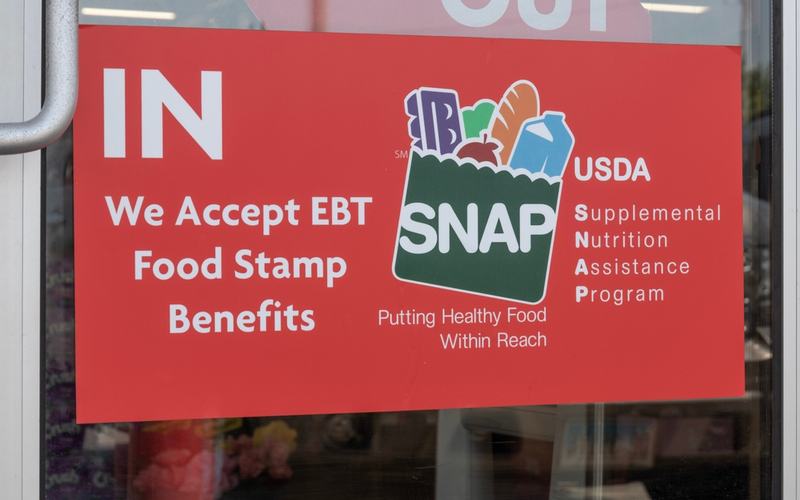
Five recipients of benefits from the Supplemental Nutrition Assistance Program filed a lawsuit challenging new restrictions that limit the use of benefits to purchase items such as sugary drinks, energy drinks, and candy.
The lawsuit was filed in federal court in Washington, D.C. against the United States Department of Agriculture, which oversees the program commonly known as SNAP. The plaintiffs are seeking to block the agency’s approval of waivers allowing certain states to restrict purchases of specific foods using SNAP benefits.
The complaint argues the restrictions could “destabilize food access” for program participants in the 22 states where the waivers have been approved.
Agriculture Secretary Brooke Rollins and Health and Human Services Secretary Robert F. Kennedy Jr. have supported the waivers as part of the broader “Make America Healthy Again” initiative aimed at encouraging healthier diets.
The plaintiffs, who live in Colorado, Iowa, Nebraska, Tennessee, and West Virginia, said the restrictions would affect their ability to purchase foods they rely on to manage certain conditions or maintain energy throughout the day. They also argued that the policy could create confusion at grocery store checkout lines and force recipients to use limited cash resources to buy items that SNAP would no longer cover.
One plaintiff, Amanda Johnson of Knoxville, said the policy could limit the food options available to her autistic daughter, who has a restrictive eating disorder and relies on a small number of “safe” foods and beverages. According to the complaint, several of those items would be excluded under the waiver rules.
The lawsuit claims the USDA exceeded its authority by approving the waivers without adequate analysis or justification and asks the court to invalidate the policy.
The plaintiffs are represented by the National Center for Law and Economic Justice along with a private law firm. A spokesperson for the USDA declined to comment on the case, citing the pending litigation.
The case is the latest dispute over how federal nutrition programs should balance food access with efforts to encourage healthier dietary choices among recipients.

Comments
No comments yet. Be the first to share your thoughts.