
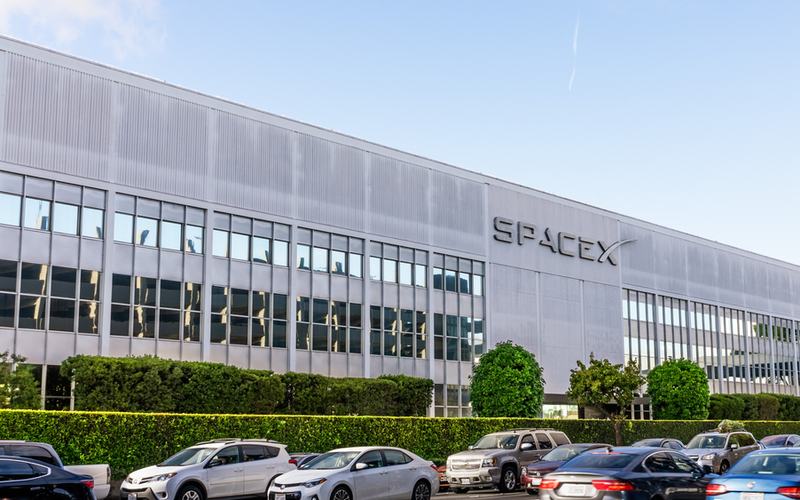
SpaceX is taking steps to turn Starlink Mobile into a major U.S. wireless carrier, positioning Elon Musk’s company to compete directly with AT&T, Verizon and T-Mobile in the American telecommunications market.
On October 8, SpaceX announced an agreement to acquire a nationwide portfolio of low-band wireless spectrum licenses from investment firm Grain Management. The deal covers up to 14 megahertz of paired spectrum in the 800 MHz band, which could help Starlink Mobile deliver stronger coverage, including inside buildings where satellite signals can face obstacles.
The agreement marks a significant expansion of SpaceX’s ambitions beyond its existing satellite internet business. The company plans to combine its satellite network with terrestrial wireless infrastructure to offer mobile connectivity across the country.
“This prime low-band spectrum addresses one of the key remaining technical gaps that will pave the way for Starlink Mobile to become a major mobile carrier in the US,” SpaceX said in an announcement.
The company also received Federal Communications Commission approval for its next-generation Starlink Mobile satellite constellation, authorizing the deployment of up to 15,000 satellites optimized for mobile connectivity. SpaceX says the upgraded system will substantially increase network capacity and improve service for compatible devices.
The spectrum acquisition still requires final FCC approval. Once completed, SpaceX plans to combine its existing mid-band spectrum with the newly acquired low-band licenses and its satellite constellation to provide a more comprehensive wireless service.
Musk has described the latest developments as a major step toward providing broader phone coverage throughout the United States. Unlike Starlink’s traditional broadband service, which relies on satellite dishes, the mobile initiative is designed to connect directly with compatible consumer devices while also using ground-based infrastructure.
The move has already rattled Wall Street. Shares of AT&T, Verizon and T-Mobile fell sharply on October 9 as investors assessed the prospect of a new competitor entering a market dominated by the three established carriers. The sell-off reflected concerns about the potential long-term impact of SpaceX’s expansion, although the company still faces substantial challenges before it can match the nationwide networks operated by its rivals.
Starlink Mobile has previously worked with existing wireless carriers to extend connectivity into areas with limited or no conventional cellular coverage. Its U.S. satellite-to-phone service has operated through a partnership with T-Mobile, allowing customers to connect in locations beyond the reach of traditional cell towers.
SpaceX’s latest strategy represents a shift toward building a more independent wireless operation rather than relying primarily on partnerships with established carriers. The company says its combination of satellites and terrestrial spectrum could provide coverage in rural areas, cellular dead zones and locations where conventional networks struggle to reach customers.
However, acquiring spectrum and launching satellites will not automatically give SpaceX the infrastructure needed to compete on equal terms with established wireless providers. Building a reliable nationwide service will require additional investment, regulatory approvals and a system capable of handling demand in densely populated areas.
If SpaceX successfully executes its plan, Starlink Mobile could introduce a new competitor into the U.S. wireless market, challenging the business models of AT&T, Verizon and T-Mobile while expanding the role of satellite technology in everyday phone service.

Comments
No comments yet. Be the first to share your thoughts.