
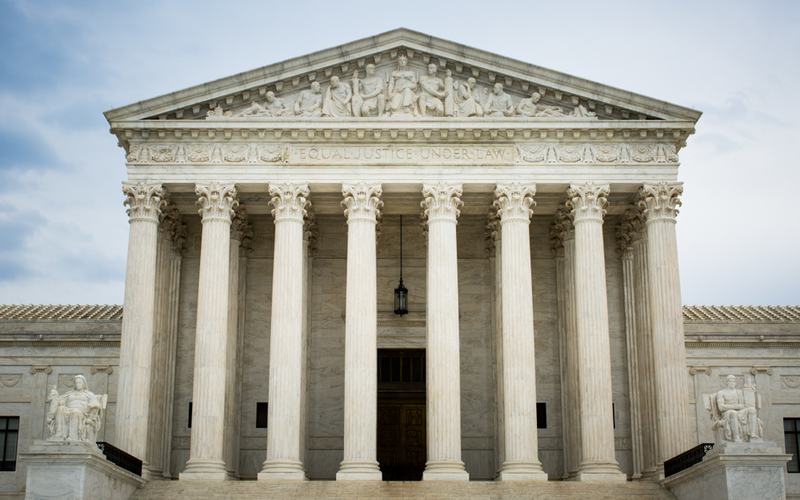
The Supreme Court of the United States announced it will review a major legal dispute involving fossil fuel producers accused by local governments of contributing to climate change through greenhouse gas emissions.
The case, Suncor Energy Inc. v. County Commissioners of Boulder County, was added to the Court’s docket and centers on whether federal law prevents states from pursuing climate-related claims under state law. According to legal analysts at SCOTUSblog, the justices will consider whether federal authority over interstate and international emissions overrides local lawsuits seeking damages.
At the heart of the dispute are lawsuits filed by local governments in Colorado, including Boulder County, which argue that fossil fuel companies should be held financially responsible for local harms linked to climate change. Energy firms, including Suncor Energy, have pushed back strongly against the claims.
The companies argue that allowing such lawsuits could expose energy producers to massive liability nationwide. In their petition to the Court, they warned that fossil fuel companies are facing “numerous lawsuits in state courts across the Nation seeking billions of dollars in damages” tied to greenhouse gas emissions.
They also contend that the U.S. constitutional structure prevents individual states from regulating global emissions through state-law claims, especially when the pollution involved crosses state and national boundaries.
The Colorado Supreme Court previously rejected the companies’ effort to dismiss the case, ruling that arguments about federal authority over climate policy were too vague to automatically block the local government’s claims.
Support for the oil companies has come from the administration of Donald Trump, which argued the Colorado ruling could open the door for cities and counties across the country to sue companies worldwide for climate-related damages. Officials warned that under such a legal framework, “every locality in the country could sue anyone in the world essentially for contributing to global climate change.”
Attorneys representing Boulder County counter that states have long been able to address local harm caused by companies operating elsewhere. They argue there is no constitutional barrier preventing state courts from handling claims tied to out-of-state conduct if the damage occurs locally.
Jonathan Koehn, director of climate initiatives for Boulder, said climate change is already producing measurable local impacts, which the lawsuit seeks to address.
The Supreme Court’s eventual ruling could have sweeping implications for climate litigation nationwide, potentially determining whether state and local governments can continue pursuing fossil fuel companies in courts across the United States.

Comments
No comments yet. Be the first to share your thoughts.