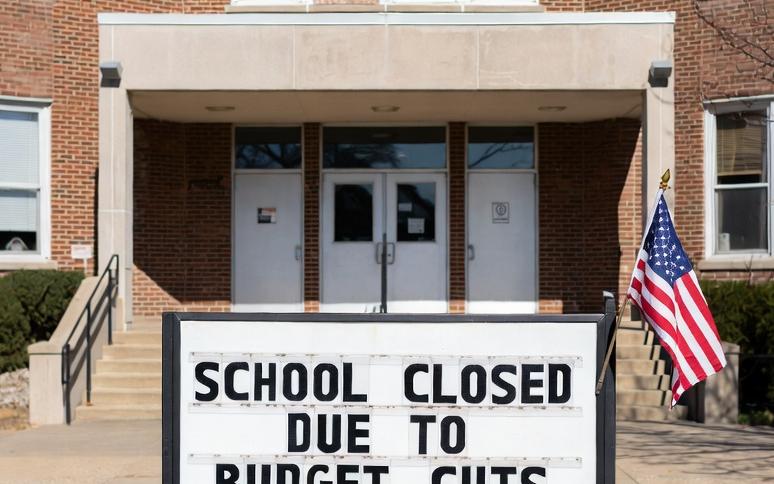
In early 2025, I published a working paper for EFI titled "Are Our Schools Sick? The Financial Health of K-12 Public Schools," warning that the temporary lifeline of federal ESSER funds—nearly $190 billion poured into districts during the COVID-19 pandemic—would soon expire, exposing deep-rooted fiscal mismanagement. Using a decade of data from the National Center for Education Statistics, the analysis showed modest pre-pandemic improvements in district health overshadowed by persistent overspending, with about 25-30% of districts running annual deficits even amid the aid windfall. I predicted a sharp reversal: a "sugar-high" crash leading to widespread budget crises, layoffs, and program cuts.
Proposed Solutions for a Sustainable Future
The current crisis, though severe, presents a critical opportunity for systemic reform rather than just temporary bailouts. The core issue is not simply the lack of funds, but the structural flaws exposed by the withdrawal of ESSER aid. Moving forward, a strategic, multi-pronged approach focusing on fiscal responsibility, operational efficiency, and innovation is essential to ensure the long-term health of public education.
Fast forward to today, and that prescience is painfully evident. Just last month, Arizona's Auditor General released its 2026 financial risk analysis, revealing a spike in troubled districts—nine at the highest risk and nine more approaching it, up from just two at highest risk in 2025. This isn't isolated; it's a national epidemic unfolding as ESSER deadlines hit, with obligation requirements by September 2024 and final spending extensions pushing only to March 2026 in a limited number of pre-approved cases. Districts that treated one-time funds as permanent revenue are now scrambling, and the problems I outlined—structural inefficiencies, overstaffing, and failure to create sustainability—are worsening across the country.
Consider the big picture: McKinsey's projections (published in Sep 2025) estimate a 22% drop in federal funding for 2025-26, equating to a $24 billion loss nationwide, potentially leading to flat or declining per-pupil spending through 2027. In a worst-case scenario involving recession and policy cuts, per-pupil funding could fall by up to 2.5%. Education Resource Strategies identifies five intertwined challenges: a fraught federal landscape under the current administration (including a $12.9 billion proposed cut and a temporary freeze on $6.8 billion in grants), Medicaid reductions impacting school services, and rising costs amid enrollment declines. The result? Districts like those in Connecticut are already hitting "fiscal cliffs," with budgets strained by the aid's end.
Urban districts, often the hardest hit, exemplify the crisis. A review of 50 major urban districts found nearly half facing cuts, shortfalls, or deficits in 2024-25, driven by ESSER expiration, inflation, and stagnant state aid. Georgetown's Edunomics Lab warns that, on average, districts must slash per-student costs by $1,200 this school year, with those that locked in ongoing commitments (like new hires) suffering most. Brookings reports districts depleting reserves, hiking student fees, or even shortening school calendars—moves that erode public trust and distract leaders from student outcomes. In Illinois, a policy report echoes this, detailing how ESSER's end is forcing layoffs, closures, and scrapped programs.
State variations amplify the pain. High-poverty areas in regressive-funding states like Nevada or Pennsylvania are more vulnerable than those in progressive ones like Utah, as the Center on Budget and Policy Priorities notes—ESSER made up 10.5% of Mississippi's K-12 spending but only 1.4% of Maine's, so the former faces a steeper drop. The Pew Charitable Trusts highlights a "boiling point" in funding debates, with states revisiting formulas amid unrecovered enrollment losses and rising special education needs. Even mental health and afterschool programs, bolstered by ESSER, are at risk; the National Academies warn of tough choices as funds vanish by 2026.
This isn't just about numbers—it's about students. The paper documented how districts like New York City and Chicago overspent billions over a decade, even with aid, prioritizing short-term fixes over long-term health. Now, as predicted, the cliff is claiming victims: teacher layoffs, reduced services, and eroded progress on learning recovery. The paradox? Amid shortages, ESSER-fueled hiring surges are unwinding into cuts, per the Learning Policy Institute. What’s worse, the baby bust is real–and it’s here, now. Enrollment declines are leading to school closures in metropolitan areas across the country.
Policymakers must act before it's too late. As I recommended in the paper, states should mandate annual financial health audits for transparency. Streamline overstaffed bureaucracies by limiting funding for non-teaching positions—perhaps tying it to efficiency metrics like staff-to-student ratios, with excess costs borne locally. And embrace education freedom: Let funding follow students to incentivize accountability and innovation.
Fiscal Transparency
While state-mandated financial audits are a necessary first step, they must be standardized and actionable. Currently, the lack of uniform financial reporting makes year-over-year comparisons and early risk identification difficult.
Streamline Bureaucracy
The growth of non-instructional staff, often criticized as "administrative bloat," is a major contributor to persistent structural deficits. Reversing this trend requires tying administrative funding to student-facing metrics.
Rethink Staffing Models
States should pilot programs that incentivize districts to lower their overall non-teaching staff-to-student ratio. Funds currently allocated to non-teaching positions exceeding a set efficiency benchmark could be reallocated to direct classroom support, such as increased teacher salaries or specialized instructional materials. Furthermore, consolidating non-instructional services—like transportation, procurement, or IT infrastructure—at the county or regional level can unlock significant economies of scale, especially for smaller or rural districts.
Embrace Education Freedom and Innovation
The traditional district-centric funding model often masks poor performance and inefficiencies. Introducing market-like mechanisms can drive accountability and innovation in service delivery.
Education Savings Accounts (ESAs) or other forms of student-centric funding ensure that resources follow the child. This empowers parents and incentivizes all educational providers, including public schools, to operate efficiently and focus on student outcomes. In a competitive environment, districts are forced to streamline operations and deliver superior academic value, moving beyond relying on captive enrollments. This shift not only promotes fiscal discipline but aligns resources directly with family choice and need.
The warning signs were there in 2024 and 2025. In 2026, they're in neon lights. Ignoring them risks not just fiscal sickness, but leaving behind an entire generation. The disruption caused by extremely poor planning and gross mismanagement threatens more than just the continued operation of a particular school facility.
Now is the time to cure our schools, not bandage them.