
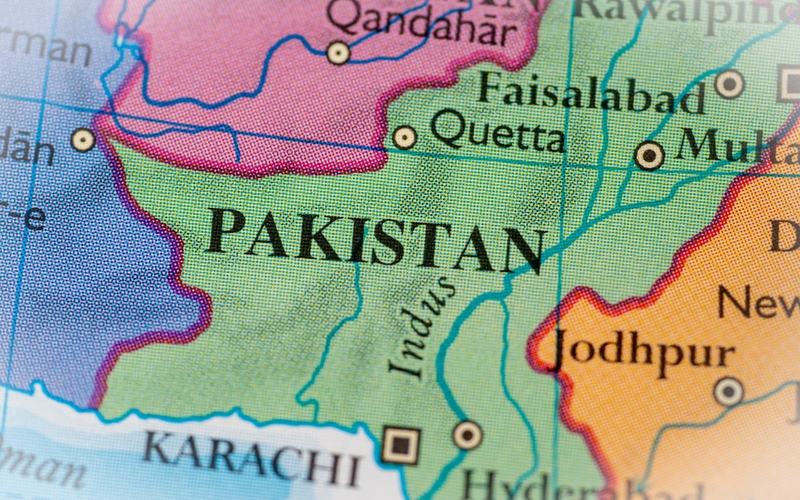
Thousands of Christian families in Islamabad are facing imminent eviction after authorities ordered them to leave their homes within days, according to advocacy groups.
An estimated 25,000 Christians, many of whom were resettled in the city over a decade ago, have been told their housing communities are illegal and must be vacated. The order has raised alarm among residents who say they have nowhere else to go.
Many of these families were relocated to Islamabad following the high-profile case of Rimsha Masih in 2013, when the young Christian girl was accused of blasphemy before later being acquitted. The case triggered widespread threats against Christians, prompting efforts to move vulnerable families to safer areas.
Over the years, those communities have grown into established neighborhoods, with residents building lives and livelihoods. Now, Pakistan’s Capital Development Authority says the settlements lack legal status, but it has not provided a clear plan for relocation, compensation, or alternative housing.
Advocacy organizations warn that the lack of safeguards leaves already vulnerable families at risk. Many residents work low-income jobs such as sanitation and domestic labor, making it difficult to miss work or secure new housing on short notice. Some have reportedly stayed home out of fear that their homes could be demolished in their absence.
Christians in the area have responded with prayer gatherings and protests, urging authorities to halt the evictions until a solution is reached.
Pakistan remains a challenging environment for religious minorities. The country ranks among the highest globally for reported persecution of Christians, with blasphemy laws frequently cited as a source of fear and legal vulnerability. Convictions under such laws can carry severe penalties, including death, while accusations alone have at times sparked mob violence.
The unfolding situation in Islamabad highlights ongoing tensions over religious freedom, property rights, and protections for minority communities in the country.

Comments
No comments yet. Be the first to share your thoughts.