
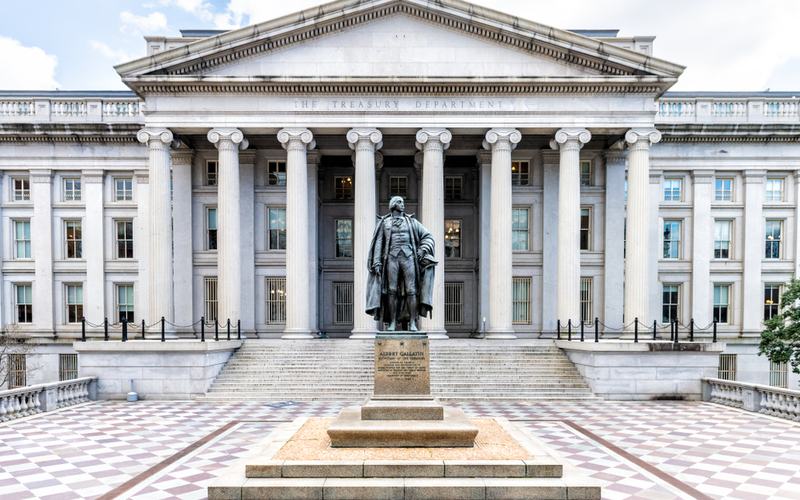
The U.S. Treasury Department has identified approximately $270 million in suspicious financial activity potentially connected to federal student aid fraud and referred the findings to federal investigators, officials announced Monday. The review uncovered more than 20,000 potentially suspicious transactions dating back to February, highlighting how criminals may be exploiting taxpayer-funded education programs.
The findings were drawn from nearly 100 suspicious activity reports filed by financial institutions following a July 29 alert from the Treasury Department’s Financial Crimes Enforcement Network, known as FinCEN. Officials cautioned that the reports provide investigative leads rather than definitive proof of criminal activity. The $270 million represents flagged transactions, not a confirmed amount of stolen money, and may not reflect the full scale of suspected fraud.
“Federal student aid is intended to expand educational opportunities, not line the pockets of fraudsters who steal from students pursuing their education and hardworking taxpayers,” Treasury Secretary Scott Bessent said.
“The Trump Administration will not tolerate criminals who exploit government programs for personal gain,” Bessent added, saying Treasury is working with financial institutions and investigators to identify fraudulent schemes, recover stolen funds and hold those responsible accountable.
According to Treasury, fraud operations frequently exploit student aid refunds through fraudulent enrollment schemes. In so-called “ghost student” operations, criminals use stolen personal information, including names and Social Security numbers, to enroll fictitious students and obtain financial aid. In some cases, the stolen identities belong to minors.
Other schemes involve “straw students,” people who accept payment in exchange for allowing criminals to use their personal information to enroll them in classes and collect aid refunds. Treasury also warns that corrupt school employees can help recruit participants or manipulate academic and enrollment records.
Criminals may also combine stolen personal information with fabricated details to create synthetic identities designed to evade verification systems. Once aid is disbursed, the money can be moved through shell companies, intermediary account holders and fraudulent bank accounts to obscure its origins.
The consequences extend beyond the loss of taxpayer money. Fraudulent applications can drain limited grant resources, occupy classroom seats intended for legitimate students and leave identity theft victims facing debts they never incurred.
FinCEN’s July alert instructed financial institutions to watch for electronic student aid refunds containing school names or abbreviations. Banks were also urged to identify suspicious transaction patterns that could indicate fraudulent enrollment, improper disbursement or attempts to conceal stolen funds.
The investigation comes as the Trump administration expands identity screening for federal student aid applications. Education Secretary Linda McMahon credited a new screening system with helping identify suspicious applicants before aid is distributed.
“Federal student aid is meant to support students, not fraudsters. That is exactly why we introduced the new FAFSA fraud detection tool earlier this year, which stops fraud at the start of the federal student aid process,” McMahon said.
The Education Department introduced real-time identity screening for the Free Application for Federal Student Aid, or FAFSA, on April 26. Applicants flagged for additional verification must provide identification and complete a live camera check. Schools can assist legitimate students who encounter difficulties during the process.
In May, the department said a separate review of previously submitted applications for the 2026-27 academic year had identified approximately 300,000 forms requiring additional identity verification. Those applications were selected based on indicators associated with potential fraud, though being flagged for review does not itself establish wrongdoing.
McMahon has said the administration’s broader anti-fraud efforts have saved taxpayers more than $2 billion in less than two years.
The crackdown is continuing as families prepare applications for the next academic year. The Education Department opened the 2027-28 FAFSA form on Sept. 23, marking the second consecutive year the application launched earlier than in previous cycles.
Treasury said it will continue coordinating with the White House Task Force to Eliminate Fraud, led by Vice President JD Vance, along with federal law enforcement agencies. The investigation is intended to help authorities identify those exploiting student aid programs and protect resources meant for students pursuing higher education.

Comments
No comments yet. Be the first to share your thoughts.