
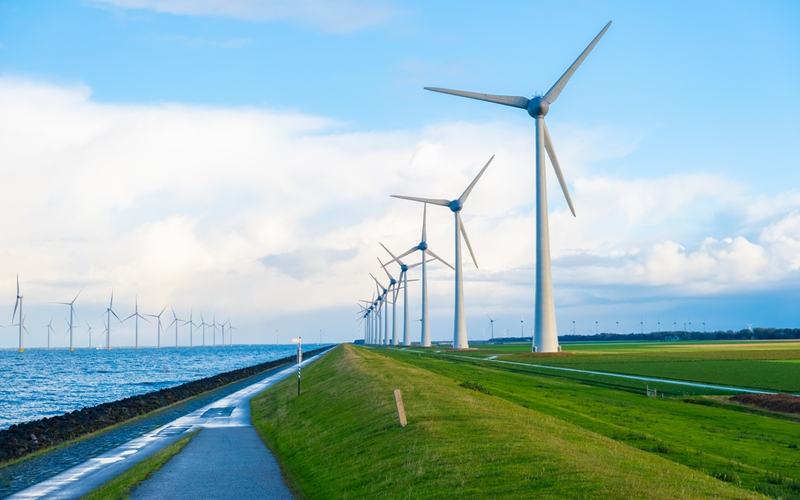
More than two dozen wind farm projects across the United States are facing delays as the Trump administration slows military reviews once considered routine, raising questions about the future of renewable energy under its policy agenda.
According to reports, at least 30 onshore wind projects, totaling roughly 7.5 gigawatts of potential capacity, are currently stalled due to a Pentagon backlog in evaluating possible conflicts between turbines and military radar or aviation systems. These projects could otherwise supply power to major cities or energy-intensive infrastructure such as data centers.
The reviews typically involve mitigation agreements designed to ensure wind turbines do not interfere with military operations. However, those agreements have recently gone unsigned, creating what industry groups describe as an unprecedented bottleneck.
Administration officials and supporters argue the slowdown reflects a necessary prioritization of national security, particularly as geopolitical threats from countries like China and Iran intensify. Ensuring military readiness, they say, outweighs the need to accelerate renewable energy development.
The delays also align with President Donald Trump’s broader energy strategy, which emphasizes reliability, affordability, and domestic production over renewable sources that critics argue are inconsistent and reliant on subsidies. Trump has repeatedly voiced opposition to wind energy, questioning its economic and environmental impact.
At the same time, the administration has moved to expand investment in traditional energy. A recent agreement involving French energy company TotalEnergies redirects funding away from offshore wind projects and toward U.S. oil and gas development, including liquefied natural gas exports. Officials say the shift will strengthen American energy independence and reduce reliance on foreign supply chains.
Critics, including Democratic lawmakers and renewable energy advocates, warn that the delays could increase energy costs and hinder technological progress. They argue that slowing wind development may undermine efforts to diversify the nation’s energy portfolio.
Supporters counter that dependable baseload power, particularly from natural gas and other fossil fuels, remains essential for economic stability and national security, especially as energy demand rises.
With potential legal challenges and broader permitting debates ahead, the stalled projects highlight a deepening divide over U.S. energy policy and the role of renewables in the nation’s long-term strategy.

Comments
No comments yet. Be the first to share your thoughts.