
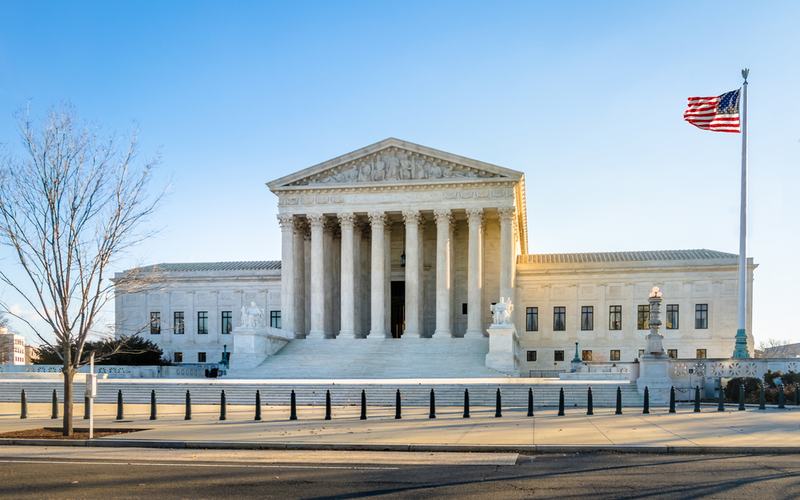
President Donald Trump asked the U.S. Supreme Court on Friday to revive his 2022 lawsuit accusing Hillary Clinton and several other prominent political figures and organizations of conspiring to falsely tie his 2016 presidential campaign to Russia. The appeal seeks to overturn lower-court rulings that dismissed the case and imposed substantial financial penalties on Trump and his former attorney.
The lawsuit named Clinton, Trump's Democratic opponent in the 2016 election, former FBI Director James Comey, the Democratic National Committee, and Christopher Steele, a former British intelligence officer whose dossier contained allegations about Trump's ties to Russia. Trump argued that the defendants participated in a coordinated effort to undermine his campaign and damage his presidency.
U.S. District Judge Donald Middlebrooks dismissed the lawsuit in September 2022. In January 2023, the judge ordered Trump and his then-attorney Alina Habba to pay nearly $1 million in sanctions, describing the complaint as a “two-hundred-page political manifesto” and concluding that the legal action warranted penalties.
Trump appealed the ruling, but a three-judge panel of the 11th U.S. Circuit Court of Appeals unanimously upheld both the dismissal and the sanctions in November 2025. The panel included Judge Andrew Brasher, a Trump appointee, and concluded that many of the legal arguments presented by Trump and Habba were frivolous.
In his latest filing, Trump's attorneys urged the Supreme Court to intervene, arguing that the case reflects what they described as a troubling pattern of federal courts using sanctions against the president and his legal representatives. They contended that disagreements over legal arguments should not give judges permission to punish attorneys for representing their clients.
Justice Clarence Thomas twice extended Trump's deadline to seek Supreme Court review, with the final extension running through October 9. The new filing asks the justices to examine the lower courts' decisions, though the Supreme Court has not agreed to hear the case.
The appeal also comes amid Trump's renewed criticism of Clinton and former Democratic administration officials. Two days before the filing, Trump told reporters in the Oval Office that he “could have done very bad things” to Clinton, former President Barack Obama and former President Joe Biden, but chose to respect the presidency.
Trump made the remarks while predicting that Democrats would attempt to impeach him if they regain control of Congress. His comments added to the political tensions surrounding his continued efforts to challenge the origins of the Russia investigation and hold his political opponents accountable.
The Supreme Court filing does not establish that the defendants conspired against Trump, nor does it overturn the lower courts' findings. The justices must first decide whether to take up the case before any substantive review of the challenged rulings can proceed.

Comments
No comments yet. Be the first to share your thoughts.