
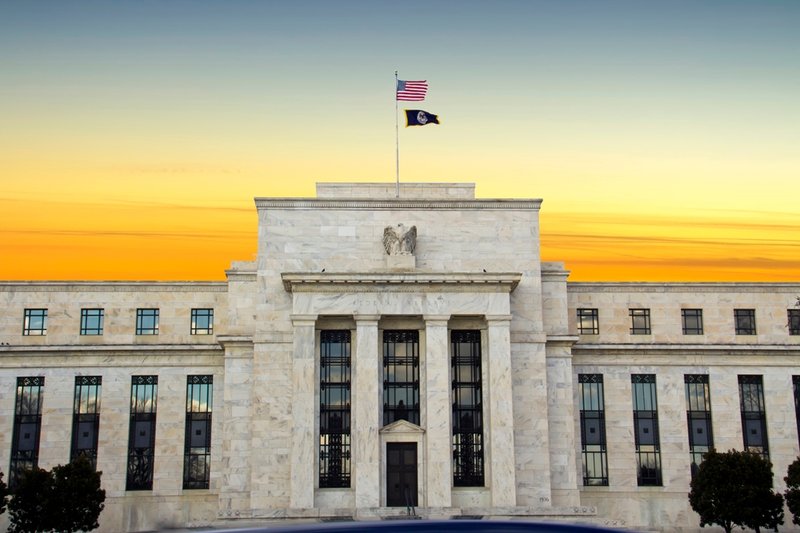
President Donald J. Trump has officially nominated Kevin Warsh, a former Federal Reserve governor, to replace Jerome Powell as chair of the Federal Reserve when Powell’s term expires in May 2026. The announcement, made on January 30, 2026, follows weeks of speculation and positions Warsh, a longtime Trump economic adviser known for advocating lower interest rates, reduced Fed intervention, and greater transparency as the administration’s choice to steer monetary policy in an America First direction.
Warsh served as a Federal Reserve governor from 2006 to 2011 after being appointed by President George W. Bush. During the 2008 financial crisis, he played a key role in shaping emergency lending programs and later emerged as a vocal critic of the Fed’s post-crisis balance-sheet expansion and reliance on quantitative easing. He has consistently argued for a smaller, more disciplined central bank that avoids mission creep, limits political and social activism, and focuses on price stability while supporting long-term economic growth.
A close informal adviser to Trump since 2016, Warsh was previously considered for Fed chair during Trump’s first term before Powell was selected. He has served on the president’s economic advisory teams and has remained influential in conservative economic circles, frequently appearing on Fox Business and contributing to policy discussions centered on deregulation, market discipline, and restoring confidence in monetary policy.
The nomination now heads to the Senate for confirmation. With Republicans holding a narrow majority, Warsh is expected to face a relatively smooth confirmation process, though some GOP senators may press him on the Federal Reserve’s independence, inflation control, and banking oversight. Democrats are expected to challenge his deregulatory views and scrutinize his role during the 2008 crisis.
Powell, originally appointed by Trump in 2017 and reappointed by President Biden in 2021, led the Fed through the aggressive rate-hiking cycle of 2022–2023 to combat inflation, followed by modest cuts in late 2025. Trump has repeatedly criticized Powell for keeping rates “too high for too long,” arguing they slowed housing, manufacturing, and job growth while favoring global financial interests.
Warsh’s selection signals Trump’s intent to install a Fed chair more aligned with his growth-oriented, low-rate economic agenda while maintaining credibility with financial markets. Wall Street has generally viewed Warsh as a steady hand with deep institutional knowledge, and early market reaction was mildly positive, with futures ticking higher on expectations of a more accommodative policy shift.
Conservative economists and America First advocates welcomed the nomination as a step toward reining in the Federal Reserve’s power and refocusing monetary policy on domestic economic strength rather than climate initiatives, diversity mandates, or international coordination.
The Senate Banking Committee is expected to schedule confirmation hearings in the coming weeks. If confirmed, Warsh would assume the chairmanship in May 2026, marking one of the most consequential economic appointments of Trump’s second term and potentially ushering in a new era of Federal Reserve leadership centered on growth, discipline, and American economic priorities.
